
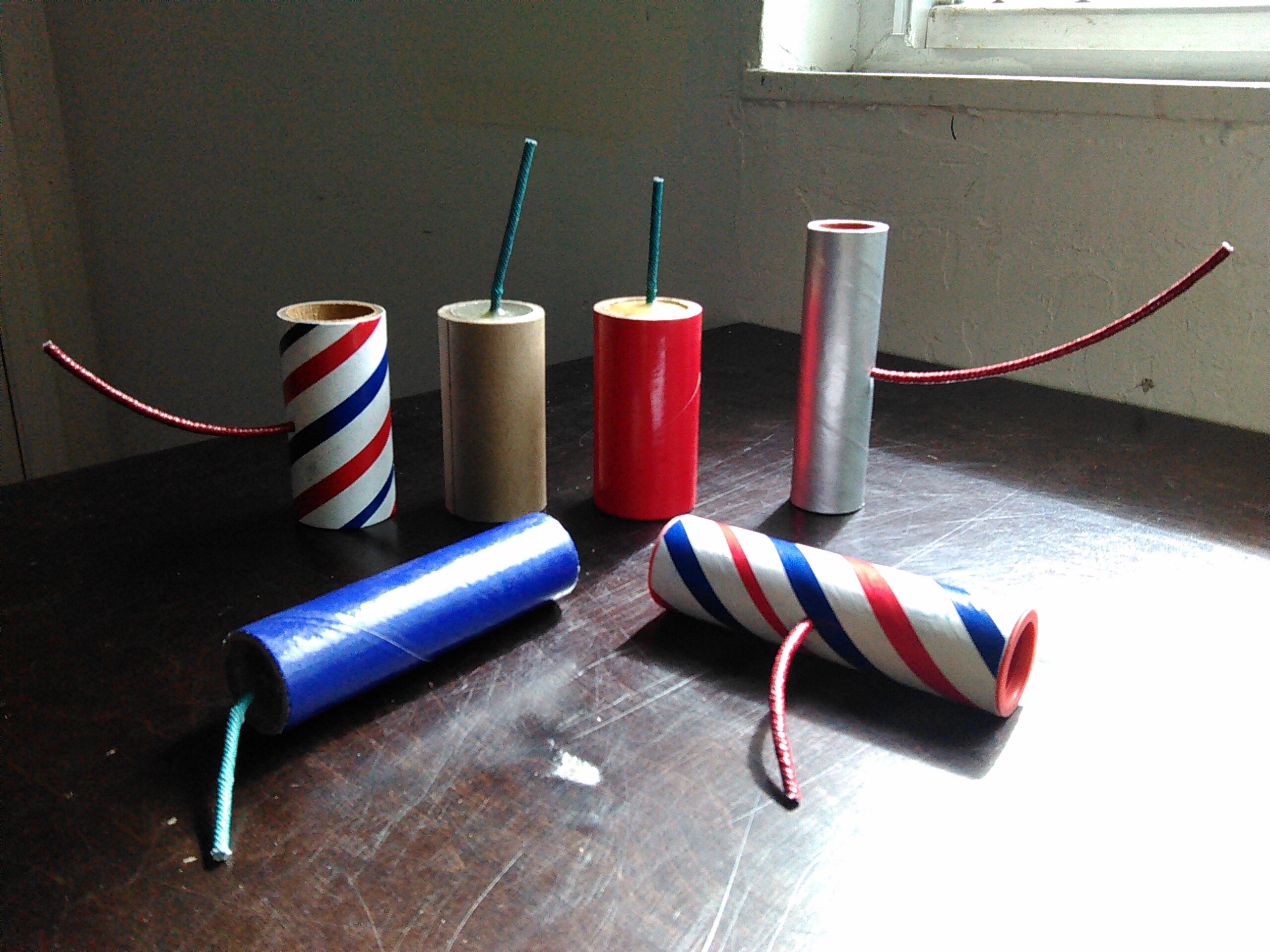
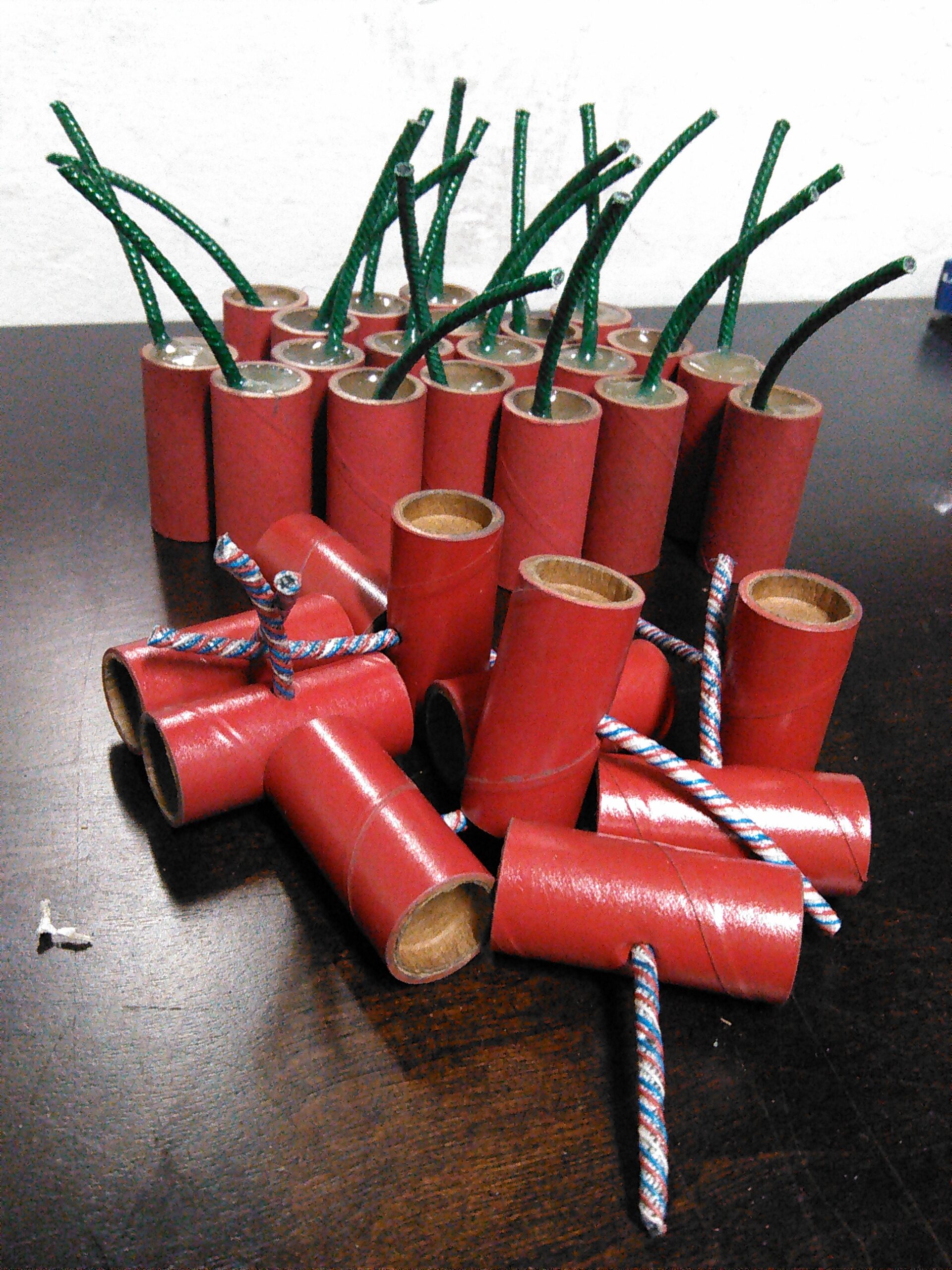
M90 Firework

Price range: $55.00 through $599.00
The first thing most people notice is that the M90 is not a fountain or a handheld novelty. It sits in the category of aerial items built to launch effects well above rooftop height, which changes everything about how you plan around it. If you are used to sparklers and ground spinners, expect a real jump in intensity.

Picture the moment just after dusk when the crowd goes quiet, someone lights a fuse, and the whole sky changes color. That is the promise behind the M90 firework, a product name that shows up in backyard planning threads and community display lineups alike. People tend to buy it on reputation alone, then wonder halfway through the show whether they set it up right.
The honest truth is that a firework like this rewards a little preparation. The difference between a good show and a forgettable one usually comes down to where you stand, how you space things out, and whether you understand what each stage of the product is supposed to do.
Below is a practical walkthrough of what you can expect to see, hear, and feel, plus the setup decisions that matter most. One caveat up front: product names get reused across manufacturers and markets, so always treat the label on your specific item as the final authority.
Understanding the Power and Scale of the M90 Firework
The first thing most people notice is that the M90 firework is not a fountain or a handheld novelty. It sits in the category of aerial items built to launch effects well above rooftop height, which changes everything about how you plan around it. If you are used to sparklers and ground spinners, expect a real jump in intensity.
Scale here comes from three factors: the number of shots, the height each shot reaches, and how long the full sequence runs. Many aerial products in this class run anywhere from under a minute to a couple of minutes, but the exact figures depend on the version you bought. Check the packaging for the shot count and listed duration before the night of the show, not while you are standing in the dark with a lighter.
Weight is another clue. A heavier base generally means more composition inside and a stronger lift. It also means the item needs a firm, flat surface so it does not tip after the first few shots fire.
The practical takeaway is simple. Treat it as a centerpiece rather than filler, and give it the space a centerpiece deserves. It will reward that respect with a show your guests actually remember.
Signature Visual Effects and Color Palettes
Color is where an aerial product earns its reputation. Expect a mix of classic hues: deep reds, emerald greens, bright blues, and gold or silver accents that fill the gaps between bolder bursts. Blue is famously the hardest color to produce cleanly in pyrotechnics, so if your firework m90 throws a crisp blue, that is a sign of decent chemistry inside.
Good visual design is less about any single burst and more about contrast. A strong sequence alternates bright, saturated colors with softer metallic effects so the eye never gets bored. Watch for that rhythm on the night, because it tells you how thoughtfully the product was built.
Multi-Stage Burst Patterns
Many effects in this class do not simply pop and fade. A shell might open into a ring, then crackle, then shift color as the stars burn down. These multi-stage bursts are what make people point and gasp.
To appreciate them, look slightly above the expected break point rather than at the launch tube. The second and third stages often happen a beat after the main burst, and people watching the ground miss them entirely.
Long-Duration Glitter and Willow Trails
Willow effects are the slow, drooping gold trails that hang in the air for several seconds. Glitter effects twinkle and flicker as they fall. Both add a sense of lingering elegance between louder moments.
These trails show up best on still nights. A strong breeze smears them sideways and shortens how long they hang, so check the forecast if this is the part you care about most.
The Auditory Experience: Decibels and Rhythm
Sound is half the experience, and it is the half people underestimate. Aerial products produce a launch thump as each shot leaves the tube, followed by the burst report high above. Some effects add crackling, whistling, or a sharp salute bang meant to punctuate the sequence.
I would not trust any precise decibel number you see quoted online for a specific product unless it comes from the manufacturer. What you can count on is that large aerial fireworks are loud enough to bother pets, startle small children, and carry across a neighborhood. Plan for that rather than being surprised by it.
Rhythm matters as much as volume. A well-built sequence varies its pacing: a few spaced shots, then a quick volley, then a pause. That cadence creates tension and release, which is why a good show feels musical even without a soundtrack.
A few things to prepare:
- Pets: bring dogs and cats indoors before the first fuse is lit, ideally with a radio or TV on.
- Kids: offer ear protection to young children, especially for the finale.
- Neighbors: a quick heads-up the day before goes a long way toward goodwill.
- Echo: buildings and tree lines bounce sound back, so enclosed yards feel louder than open fields.
Choreographing the M90 Firework Display Sequence
If the M90 is part of a larger show, where you place it in the lineup matters more than most people think. Light it too early and everything after feels smaller. Light it too late and your audience may already be drifting toward the snacks.
Pacing the Launch Intervals
The best home shows follow a simple arc. Open with something bright but modest to grab attention, build through mid-sized items, and save your strongest pieces for last. Gaps between items should be short: around 10 to 20 seconds keeps momentum without rushing the person doing the lighting.
Prep is what makes pacing possible. Lay out every item in firing order before dark, check each fuse, and keep a flashlight handy (red light preserves night vision better). Assign one sober adult as the designated lighter so there is no confusion about who goes next. Long dead air between pieces is the most common reason amateur shows feel disjointed.
The Grand Finale Impact
This firework works well as either a finale or the item right before it. If you have a dedicated finale cake, consider placing the M90 just ahead of it so the energy keeps climbing into the close.
If it is your biggest item, let it be the last thing fired, and do not follow it with anything smaller. Ending on a weaker effect deflates the room. Give the crowd a few seconds of silence after the final burst. That pause is when applause happens.
Safety Protocols and Ideal Viewing Distances
This is the section nobody wants to read and everybody should. Aerial fireworks cause serious injuries every year, and most of them come from a short list of avoidable mistakes. Follow the distance guidance printed on your product, and when in doubt, add more space rather than less.
As a general rule, spectators should stay well back from any aerial item, often a distance measured in dozens of meters rather than a few steps. Your local regulations and the label take priority over any generic number. Also confirm that consumer aerial fireworks are legal where you live, since rules vary widely by state, county, and country.
Before lighting, run through this checklist:
- Place the item on a flat, hard, non-flammable surface, never on soft grass or a slope.
- Check overhead for trees, wires, and roof edges.
- Keep a hose or a full bucket of water within reach.
- Light the fuse at arm’s length, then move away briskly.
- Never lean over the tube or try to relight a dud. Wait at least 20 minutes, then soak it in water.
- Keep alcohol away from whoever is handling ignition.
For viewers, the sweet spot is usually upwind, with a clear sightline to the sky and some distance from the launch point. That position keeps smoke out of faces and debris away from the crowd.
Maximizing Your M90 Firework Spectacle Experience
The best M90 firework tips are mostly about the small decisions made hours before the show. Scout your launch site in daylight. Check the wind direction an hour before lighting. Turn off porch lights and nearby floodlights so colors pop against a truly dark sky, and if you plan to film, set your phone on a tripod with exposure locked so the bursts do not blow out into white blobs.
Think about your audience too. Folding chairs angled upward beat standing for a whole show, and a blanket on the grass is even better for kids. Hand out a few glow sticks so people can find each other afterward without anyone wandering near the launch zone.
The core idea running through all of this is that the product only delivers half the magic. The other half comes from spacing, timing, darkness, and a calm, safe setup. Respect the power, watch for the multi-stage bursts and those slow willow trails, and save your biggest effect for the moment the crowd least wants the night to end.
Read the label, pick your spot, and let the sky do the rest.
| M90 | 10 PIECES, 25 PIECES, 50 PIECES, A BOX |
|---|
Be the first to review “M90 Firework”
Related products

FIRECRACKER
FIRECRACKER
FIRECRACKER
FIRECRACKER
FIRECRACKER
FIRECRACKER
Reviews
There are no reviews yet.