
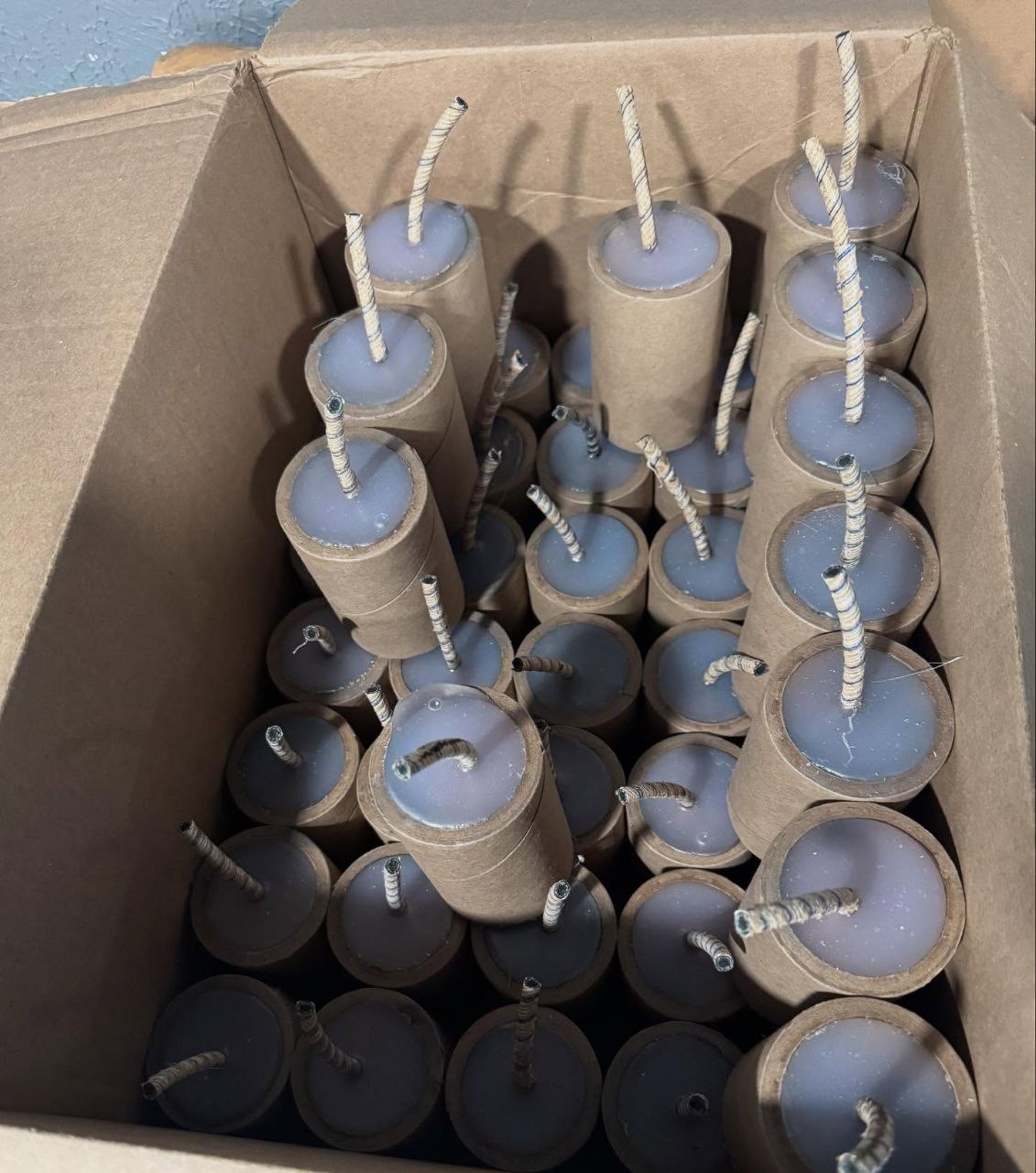
Quarter Stick Firecracker
Price range: $90.00 through $1,100.00
Demand for bigger, louder fireworks isn’t going away, and in 2026 the legal market keeps responding within the rules. Manufacturers continue pushing the visual side harder, with more complex cakes, tighter timing, and richer color effects, because sound output in consumer products remains capped.
Every July, emergency rooms see a familiar pattern: mangled fingers, damaged eyes, and burns from devices that were never legal to begin with. The quarter stick firecracker sits near the top of that list. It’s one of the most talked-about illegal explosives in the United States, and much of what circulates online is myth, bragging, or outright misinformation.
People search for these devices because they want the biggest bang possible for the Fourth of July or New Year’s Eve. What they usually find is a mix of YouTube clips, forum boasts, and sellers who quietly disappear. The real story involves federal explosives law, permanent injuries, and a product category that has no legitimate consumer version.
This piece covers what these devices actually are, how they perform, why they hurt so many people, and what the law says. If you’re curious, or you’ve been offered one, here’s the information you need before making a decision you can’t take back.
The Anatomy and Explosive Power of Quarter Sticks
The name comes from the idea that the device carries a quarter of the power of a stick of dynamite. That’s marketing folklore rather than an engineering spec, but it captures the intent: these are built to be far more powerful than anything sold at a roadside fireworks tent.
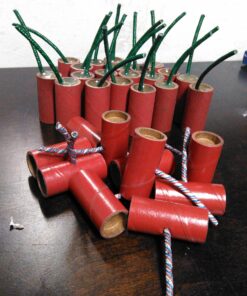
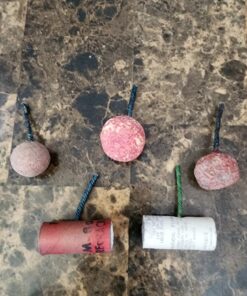
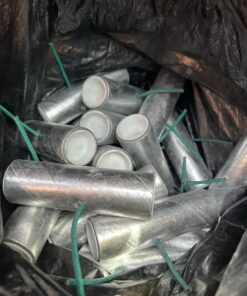
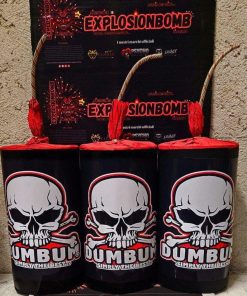
A typical quarter stick looks like a thick cardboard tube, often red or brown, roughly 6 inches long and about an inch in diameter, with a fuse coming out the side or end. The tube is filled with flash powder, a highly sensitive explosive mixture. The key difference from legal fireworks is quantity. Federal consumer rules cap ground salutes and firecrackers at 50 milligrams of explosive composition. Illegal devices like M-80s commonly contain several grams, and quarter sticks are generally reported to hold even more, often by a wide margin.
That gap matters. A legal firecracker pops. A device carrying dozens of times the legal limit detonates, and flash powder doesn’t burn politely: it releases its energy almost instantly. That’s why these items fall under explosives law instead of fireworks regulation. Since they’re manufactured illegally, there’s also no quality control, so two “identical” quarter sticks can behave very differently.
Performance Benchmarks and User Experiences
There’s no official testing data for quarter sticks because no legitimate lab certifies an illegal product. What exists comes from enthusiast videos, informal measurements, and law enforcement reports describing the aftermath. That alone tells you something: you’re relying on hearsay for a device that can remove a hand.
Decibel Levels and Blast Radius
Large illegal salutes are widely reported to produce sound levels well above the threshold where a single exposure can cause permanent hearing damage. People who have set them off describe a concussion they feel in their chest, not just a noise they hear. Car alarms tripping blocks away and windows rattling across a neighborhood are common anecdotes.
Blast radius is the more dangerous variable. The cardboard tube itself becomes shrapnel, and anything the device sits in or under (a mailbox, a bottle, a can, a pile of rocks) turns into fragments moving at high speed. Investigators have documented mailbox and property destruction from devices in this class repeatedly, which is one reason federal agencies treat them as destructive devices in many situations.
Consumer Reviews and Market Perception
You won’t find honest product reviews on reputable retail sites, because reputable retailers don’t sell these. “Reviews” live in comment sections and private groups, and they skew heavily toward excitement over the noise. What rarely makes it into those threads are the follow-ups: the friend who lost two fingers, the arrest, the fine.
Market perception is also shaped by scarcity. Because the product is illegal, buyers assume anything sold under the name is “the real thing,” which makes them easy targets for scams and dangerously inconsistent homemade builds.
Severe Safety Hazards and Physical Dangers
The most common injury pattern with high-output illegal explosives is predictable: the device detonates early or while still in hand. Short fuses, inconsistent fuse burn rates, and flash powder’s sensitivity to friction and static all contribute. Someone lights it, hesitates for a second, and the hand takes the full force.
Here’s what doctors and fire officials routinely report from incidents involving devices like these:
- Hand and finger amputations, often requiring multiple surgeries and leaving permanent loss of function
- Eye injuries, including blindness from fragments or the blast itself
- Hearing loss and tinnitus, sometimes permanent after one close detonation
- Facial burns and lacerations from people leaning over a “dud” to check it
- Fatalities, especially in incidents involving people building or storing devices
The U.S. Consumer Product Safety Commission tracks thousands of fireworks injuries every year, and illegal or homemade devices are consistently overrepresented among the deaths. Storage is its own hazard. Flash powder can ignite from heat, impact, or static, so a box of these in a garage or car trunk is a fire and explosion risk long before anyone lights a fuse.
The duds deserve special mention. A device that doesn’t go off isn’t safe: it may have a smoldering fuse inside. Approaching one is how many of the worst injuries happen.
Federal and State Legal Restrictions of quarter stick
The legal picture is simpler than the internet makes it seem. Quarter sticks are not legal consumer fireworks anywhere in the United States, including in states with permissive fireworks laws. A state allowing aerial fireworks doesn’t change federal limits on explosive content.
ATF Regulations and Explosive Licensing of quarter stick
Devices that exceed consumer limits are classified as explosives, and the Bureau of Alcohol, Tobacco, Firearms and Explosives (ATF) regulates explosives under federal law. Manufacturing, dealing, transporting, or receiving them generally requires a federal explosives license or permit. Licensed professional display operators do handle powerful salutes, but under strict storage, transport, and use rules, with trained personnel and approved sites.
A private individual buying a quarter stick from a guy at a flea market or through a private social media listing has no legal path to possess it. There’s no permit you can grab for personal backyard use. Depending on construction and how it’s used, a device can also be treated as a destructive device, which brings even heavier federal consequences.
Penalties for Illegal Possession and Sale
Penalties vary by jurisdiction and circumstance, but they can include:
- Federal charges for unlicensed manufacturing, dealing, or possession of explosives, which can carry prison time measured in years
- State felony or misdemeanor charges, depending on quantity and intent
- Fines and seizure, plus liability for any property damage or injuries caused
- Enhanced charges if a device is used to damage property (mailboxes are federal property, which makes that a particularly bad idea)
Sellers face the harshest treatment. Law enforcement agencies conduct seizures every year ahead of July 4th, and online sales leave a trail.
Identifying Counterfeits and Safe Alternatives of quarter stick
Here’s an irony worth sitting with: because the product is illegal, almost everything sold as a quarter stick firecracker is a “counterfeit” in some sense. There’s no legitimate original to compare against. What you’re really trying to tell apart is a legal novelty item from an illegal explosive.
Legal consumer fireworks sold in the U.S. carry warning labels, manufacturer or importer information, and usually certification marks indicating compliance with consumer safety standards. Red flags that suggest an illegal device include:
- No labeling or only a hand-written or generic label
- A heavy, solid feel for its size
- Plain cardboard tubes with a single side fuse
- Sales outside licensed stores, such as car trunks, private messages, or “ask me for the good stuff” pitches
- Claims about dynamite power, a selling point no legal product uses
If you want impact without the risk, licensed retailers sell 500-gram aerial cakes, which offer the loudest, most dramatic legal displays available to consumers. Legal firecracker strings deliver rapid-fire noise. For a true heavy-hitter show, hiring a licensed display company is the honest answer: professionals can legally use far larger effects than any backyard device, with proper distance and safety controls.
The Future of High-Output Consumer Pyrotechnics
Demand for bigger, louder fireworks isn’t going away, and in 2026 the legal market keeps responding within the rules. Manufacturers continue pushing the visual side harder, with more complex cakes, tighter timing, and richer color effects, because sound output in consumer products remains capped. Many communities have also adopted noise ordinances and quieter-display programs out of concern for veterans with PTSD, pets, and wildlife, so the cultural trend is moving away from pure volume.
Enforcement is likely to keep tightening around online and social media sales, where most illegal transactions now start. Meanwhile, drone light shows have become a regular replacement for some municipal fireworks, especially in fire-prone regions. They don’t scratch the “big boom” itch, but they reflect where public displays are headed.
The takeaway is straightforward. The quarter stick has no safe or legal role in consumer fireworks, and it isn’t getting one. What it offers is a few seconds of noise in exchange for real chances of losing fingers, eyesight, or your freedom. The legal options are genuinely impressive when chosen well, and professionals can deliver the scale you’re actually after.
If you’re planning a celebration this year, buy from a licensed retailer, follow local ordinances, and keep a hose or bucket of water nearby. And if someone offers you a quarter stick, walk away. Your hands will thank you for every holiday after this one.
| QUARTER STICK | 10 PIECES, 30 PIECES, 70 PIECES, A BOXES |
|---|
Be the first to review “Quarter Stick Firecracker”
Related products
FIRECRACKER
FIRECRACKER
FIRECRACKER
FIRECRACKER
FIRECRACKER

FIRECRACKER
Reviews
There are no reviews yet.