
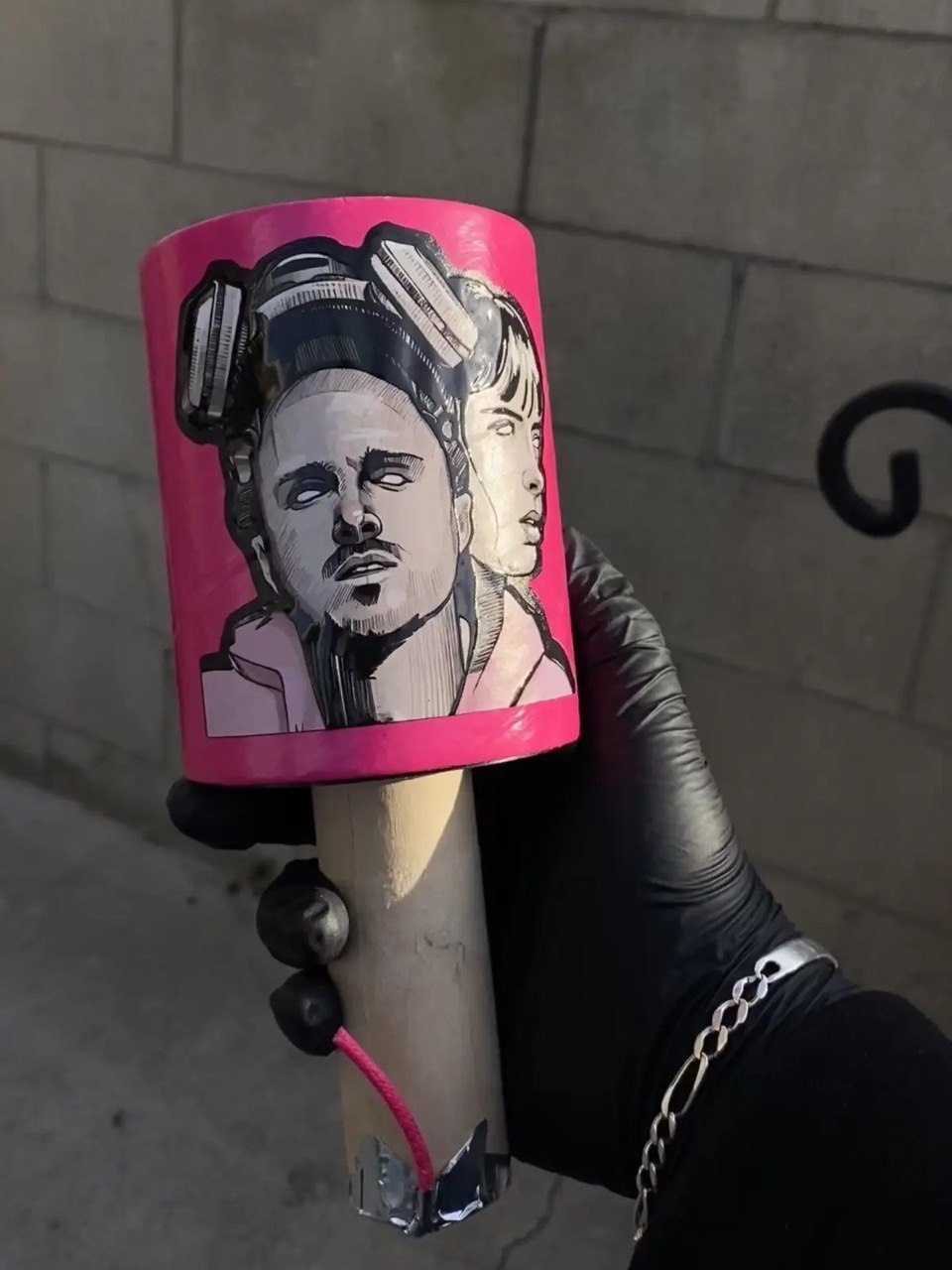
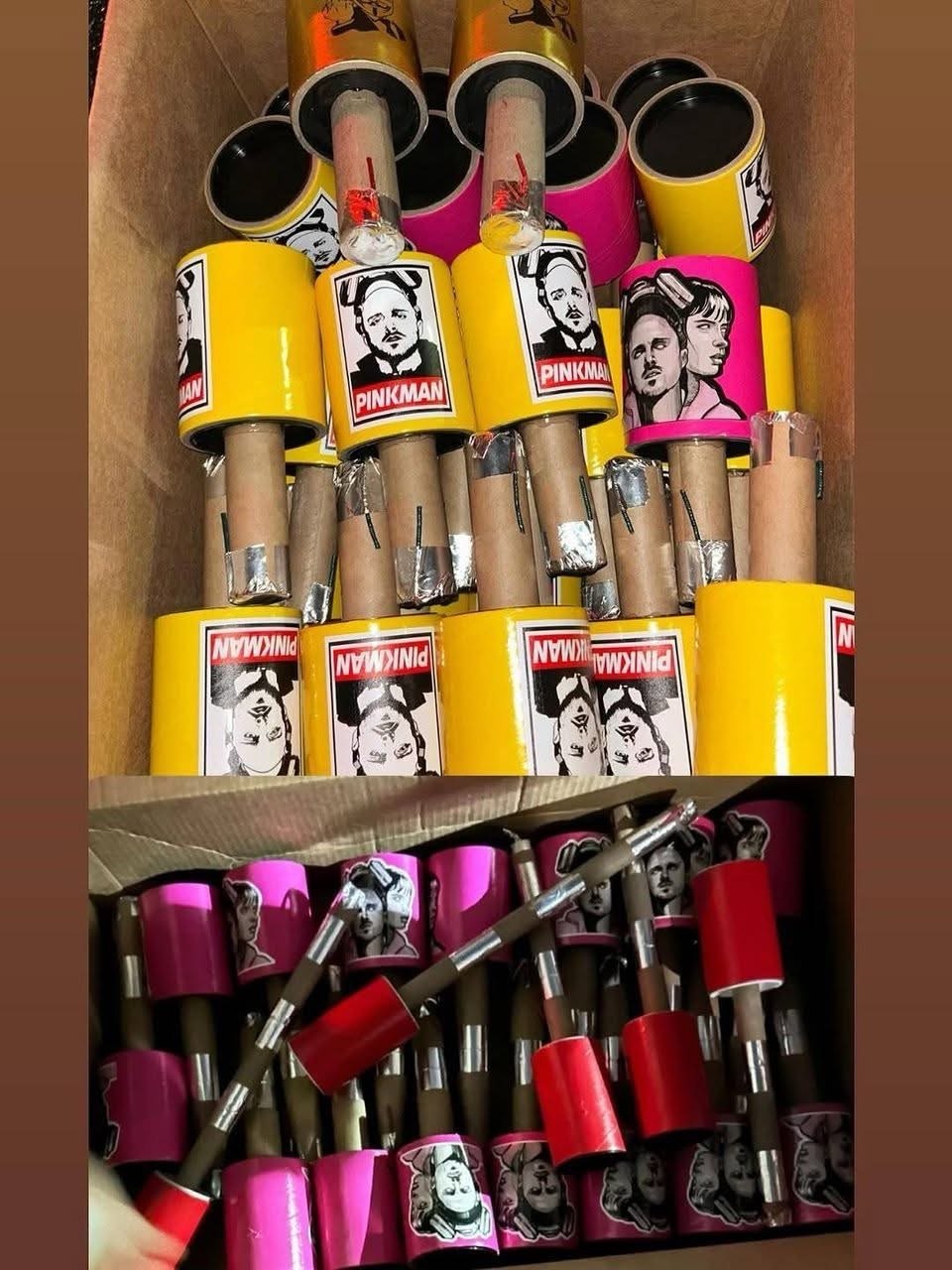
4 pinkman strobe rocket are a strange category of firework. They don’t explode into a big chrysanthemum or leave a glittering willow behind. Instead, they climb with a flickering, stuttering light that looks like a camera flash on repeat. When you buy a pack and plan to fire them from mortar racks rather than a ground stake, a few questions come up fast.
This review covers the 4 Pinkman strobe rocket pack as a working product: how the design approach developed, what to inspect before you fire anything, and how to judge four units against each other in an honest way. One caveat first. No verified lab data or manufacturer test sheet was available while writing this, so you won’t find invented burn times or lux figures here. You’ll get a practical framework for testing your own pack and judging what you see.
That matters more than it sounds. Pack-to-pack variation in consumer fireworks is real, and the most useful skill is knowing how to evaluate the rockets in your hands.
Evolution of the Pinkman Strobe Rocket Design
Traditional rockets use a long wooden or plastic stick for stability. The stick acts as a tail, keeping the center of pressure behind the center of mass so the rocket flies point-first. That design has worked for centuries, and it still shapes how most retail rockets are built.
Strobe rockets changed the payload more than the airframe. Older rockets mostly carried a break charge that burst at apogee. Strobe designs add pellets or a strobe composition that pulses during the climb, the descent, or both. The shift moved the show from a single moment at the top of the arc to the whole flight.
Firing rockets from mortar racks is a newer habit, and a contested one. Racks were built for shells and single-shot tubes, not stick rockets. Some products marketed as “rack-friendly” use shorter sticks or a narrower body so they sit upright in a tube. Others are standard rockets that people adapt themselves, and that’s where trouble starts.
If your Pinkman rockets come with packaging that says nothing about tube or rack launching, assume they weren’t designed for it. The label decides how the rocket is meant to fly, not forum advice or a video of someone else’s setup.
Technical Specifications and Build Quality
Before any launch, inspect each rocket like you’d inspect a used part. Build quality varies between units in the same pack, and you’ll spot most problems on a table in good light.
Here’s a checklist that takes about two minutes per rocket:
- Stick attachment: The stick should be glued or taped firmly with no wobble. A loose stick changes the balance point and can send the rocket sideways.
- Stick straightness: Roll it on a flat surface. A warped stick causes a curved flight path.
- Motor casing: Look for crushed ends, splits, or damp spots. Any moisture damage is a reason to set that rocket aside.
- Fuse condition: The fuse should be intact, dry, and covered if it shipped with a cap. Frayed or bent fuses burn unevenly.
- Nose and payload section: Check for cracks or loose seams where the strobe composition sits.
Write down anything odd for each unit. That log becomes your baseline when you compare performance later.
Propulsion and Strobe Composition
Most retail rockets use a black powder motor pressed into a paper tube with a clay nozzle. The motor gives a short, hard push, and the rocket coasts the rest of the way up. You can’t see inside the motor, but you can judge the result: a clean, steady lift means the powder was pressed evenly.
Strobe effects come from compositions designed to burn in pulses rather than a steady flame. The flicker happens because the material alternates between a dark smolder and a bright flash. Humidity, storage temperature, and age all affect how cleanly that cycle runs. A rocket stored in a damp garage for two seasons may strobe weakly or not at all.
Mortar Rack Compatibility and Fit
This is the part where people get hurt, so be blunt with yourself. A rocket that fits a tube is not automatically safe to fire from that tube. The stick needs to slide out freely, and the rocket must not jam, tilt, or snag on the tube lip.
Test fit with the rocket unlit. Drop it into the tube and lift it out a few times. If it sticks at any point, or if the fuse ends up pressed against the tube wall, don’t use that combination. Racks should also be secured so they can’t tip, ideally with stakes or sandbags, because a recoil-free rocket launch can still nudge a light rack off level.
Field Testing: Launch Stability and Flight Path
A useful field test is mostly about observation and repetition. Fire each rocket under the same conditions so differences come from the product, not the setup.
- Choose a calm evening with wind under roughly 10 mph. Check a weather app and note the reading.
- Set the rack on level, firm ground, far from buildings, trees, and dry grass. Follow the minimum distances on the packaging.
- Fire one rocket at a time and wait between launches so smoke clears.
- Have a second person record video from a fixed spot well behind the safety line.
- Note the takeoff: did it lift straight, wobble, or lean?
- Note the flight path: straight climb, gentle arc, or erratic turns?
- Note where the effect ended and whether any debris fell outside the expected area.
A good stick rocket leaves the tube cleanly and climbs nearly vertical, then curves only slightly with wind. Watch the first few feet closely. A rocket that wobbles right off the rack usually has a balance problem, often a loose or bent stick you could have caught on the inspection table.
Video makes this objective. Played back frame by frame, it shows whether a rocket corkscrewed or just drifted, something the eye misses at night.
Visual Analysis of the Strobe Effect
Here’s where strobe rockets earn their place or don’t. A good strobe looks crisp: sharp bursts of light with clear dark gaps between them. A poor one blurs into a dim, steady glow that reads more like a weak flare than a strobe.
Judge the effect from a viewer’s position, not the launch point. Stand where your audience would stand, because the strobe can look busy up close and sparse from 50 yards back. Notice whether the flicker starts early in the climb or only near the top, and whether it carries through the descent.
Color matters too. Many strobes are white or silver, and the cleanest ones look almost electric. If the light looks yellowish or muddy, the composition may be degraded or simply cheaper. Compare that against how the packaging describes the effect.
Frequency and Luminosity Performance on 4 pinkman strobe rocket
You don’t need lab equipment to compare flash rate and brightness across units. Slow-motion video on a phone works surprisingly well. Count flashes over a set stretch of footage for each rocket, and you’ll see which ones pulse faster or slower.
For brightness, keep camera settings locked: same phone, same exposure, same distance. Turn off auto-exposure if your camera allows it, since auto settings will flatten real differences. Then compare the clips side by side. Consistency between units tells you more about quality than any single bright flash.
Comparative Performance Across Four Units
Four rockets is a small sample, but it’s enough to spot patterns. The goal isn’t to crown one winner. It’s to learn whether the pack performs consistently, because consistency is what makes a product reliable for a planned show.
A simple scoring table keeps your notes honest:
| Unit | Pre-launch condition | Takeoff | Flight path | Strobe clarity | Notes |
|---|---|---|---|---|---|
| Rocket 1 | |||||
| Rocket 2 | |||||
| Rocket 3 | |||||
| Rocket 4 |
Score each category from 1 to 5 right after the launch, before you review video, then adjust after watching the footage. You’ll often find your gut reaction was harsher or kinder than the recording supports.
Look for links between columns. If the rocket with the slightly loose stick also had the shakiest takeoff, your inspection process is working. If one unit had a weak strobe while the rest were sharp, suspect storage or a manufacturing outlier rather than the whole design.
One weak rocket out of four isn’t unusual for consumer products. Two or more weak ones suggest the batch, the storage, or the rack setup needs a closer look before you buy a larger quantity of the best 4 Pinkman strobe rocket packs you can find for a bigger event.
Safety Protocols and Final Reliability Verdict On 4 pinkman strobe rocket
Everything above means nothing if the setup is unsafe. Fireworks laws vary widely by country, state, and even town, so check local rules before buying or firing anything. Stick rockets are restricted or banned in some areas where other consumer fireworks are allowed.
Keep these habits non-negotiable:
- Read the label first: If it doesn’t say the product can be fired from a tube or rack, don’t do it.
- Respect distances: Use at least the spectator distance printed on the packaging, and add margin if wind picks up.
- One person lights: Wear eye protection, light at arm’s length, and step back immediately.
- Handle duds carefully: Wait at least 20 minutes before approaching a rocket that failed to launch, then soak it in a bucket of water.
- Keep water ready: A hose or full bucket should sit near the launch area for the entire session.
- Stay sober: The person firing should have nothing to drink.
As for the verdict, a fair one depends on your own results. A pack where all four rockets launch straight, strobe cleanly, and behave the same is reliable enough to build a small show around. If your notes show one outlier, the product is probably fine and that unit was just an exception. If two or more misbehave, especially at takeoff, stop using racks with that product and stick to the manufacturer’s intended launch method.
The real lesson from testing four strobe rockets is that careful inspection, controlled conditions, and honest notes beat any marketing claim. Treat your first pack as a test run, keep your scoring table, and make your next purchase based on what you actually saw in the sky. If you’re planning a show this season, run that small four-rocket trial first, then decide whether these rockets have earned a spot on the rack.
| ROCKET | 2 ROCKETS, 5 ROCKETS, 8 ROCKETS, 15 ROCKETS, 25 ROCKETS |
|---|
Be the first to review “4 pinkman strobe rocket”
Related products
FIREWORKS
FIREWORKS
FIREWORKS

FIREWORKS

FIREWORKS
FIREWORKS
FIREWORKS

FIREWORKS
Reviews
There are no reviews yet.