
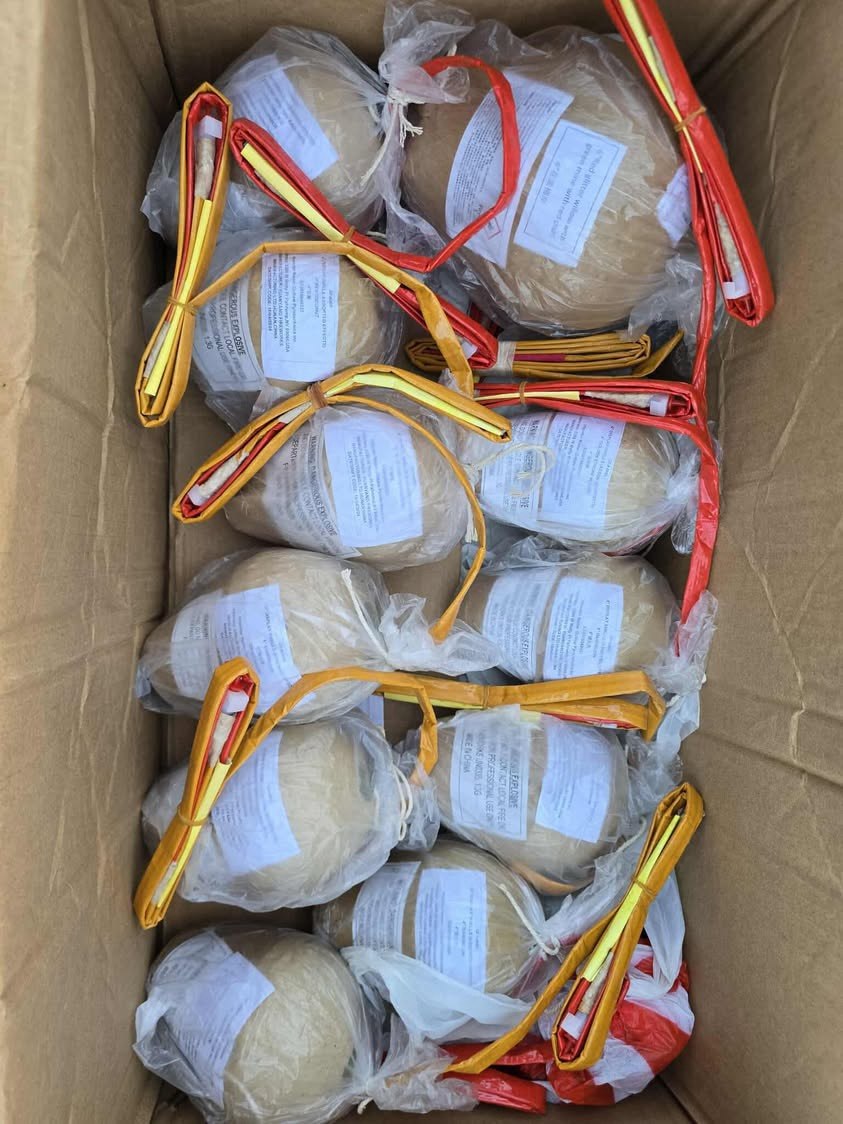
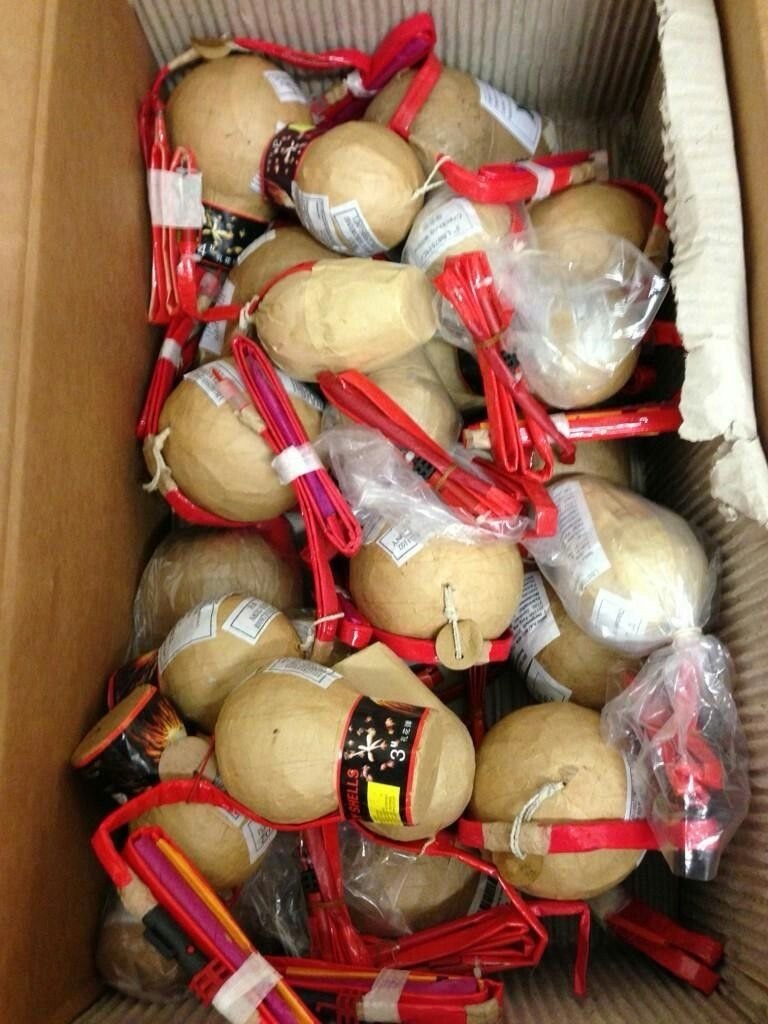
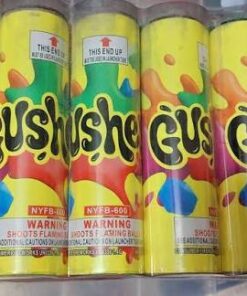
2 inch artillery shells
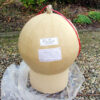
Price range: $125.00 through $999.90
Color in fireworks comes from metal salts heating up and giving off light at specific wavelengths. Strontium compounds produce red, barium compounds produce green, copper compounds produce blue, and sodium produces yellow. Mixing them creates purples and other blends, though those are harder to keep vivid.
2 inch artillery shells box
Few things at a backyard show get the same reaction as a properly loaded mortar tube. There’s a short delay after the fuse, a deep thump, and a few seconds later the sky opens up with a break you can feel in your chest. For many hobbyists, 2 inch artillery shells box sit at the sweet spot between the small consumer reloadables most people know and the professional rounds used at municipal shows.
Not every product sold under that label performs the same way, and not every one is legal for you to fire. Some kits look impressive on the box but produce lopsided breaks and dull colors. Others deliver tight, round bursts that hang in the air long enough for the whole crowd to react. This guide covers how these shells work, what separates good performers from duds, and how to set up a show that runs safely.
The Anatomy and Power of 2 Inch Artillery Shells Box
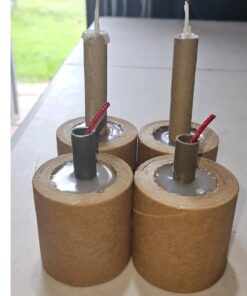
Every 2 inch artillery shells box has the same basic parts:
- Lift charge: a measured packet of black powder at the base that fires the shell out of the tube.
- Time fuse: a slow-burning delay lit by the lift charge, which sets the burst height.
- Burst charge: the powder at the core that breaks the shell open at the top of its climb.
- Stars: pellets of color-producing composition packed around the burst charge. Their arrangement determines the pattern.
The “2-inch” label needs some context. In the United States, consumer (1.4G) reloadable shells are limited by federal rules to a mortar tube inside diameter of 1.75 inches and a maximum of 60 grams of composition per shell. Retailers often round this up and market these products as 2-inch shells. Rounds that actually measure 2 inches or larger generally fall into the display (1.3G) category, and firing them usually requires licensing and permits. Before you buy, check the classification on the packaging and your state and local laws, which can be much stricter than federal limits.
Within the legal consumer class, a well-made shell rises somewhere around 150 to 200 feet before it breaks. That’s high enough to fill the view for spectators at a safe distance and low enough that the burst still feels close and dramatic.
Evaluating Performance: Lift, Burst, and Symmetry
I judge any shell on three things: how cleanly it lifts, how hard it breaks, and how round the break looks.
Lift should be straight and consistent. If shells from the same box rise to noticeably different heights, the lift charges weren’t measured carefully. A shell that wobbles or tumbles on the way up often breaks low or off-center, which ruins the effect and creates a safety concern.
Burst strength decides how wide the break spreads. A weak burst charge gives you a small, droopy cluster. A strong one throws stars outward evenly, which produces the big sphere people expect. Symmetry comes down to how carefully the stars were packed. When one side of a break looks thin or flat, the stars likely shifted during manufacturing or shipping.
Comparing Ball Shells vs. Canister Shells
Ball shells are spherical, with stars arranged in a ring around the burst charge. They tend to produce the most symmetrical breaks because the geometry pushes stars evenly in every direction.
Canister shells are cylindrical and more common in consumer kits because they are cheaper to make and can hold more composition. They often break slightly elongated or uneven. Some canister shells contain multiple effects stacked inside, which ball shells handle less well. If you care most about perfect round breaks, go with ball shells. If you want variety and bigger loads for the money, good canister shells are hard to beat.
Color Purity and Visual Duration
Cheap stars produce washed-out colors: reds that look orange, blues that look almost white. Deep blue is the hardest color to make well, so it’s a good test of a manufacturer’s chemistry.
Duration matters as much as color. Stars that burn out in under a second feel abrupt. Better shells use stars that burn longer and fade gradually, giving the audience time to take in the full shape. When you watch a test shell, count how long the stars stay lit after the break.
Top-Rated 2-Inch Shell Kits for Maximum Impact
I’m not going to name a single “best” product, because quality changes from batch to batch and brands rotate their lineups every season. What I can give you is a checklist for picking the best 2 inch artillery shells from what your local store actually stocks:
- Check the weight: Shells near the 60-gram limit usually break larger and brighter than lighter ones.
- Look for effect variety: A strong kit mixes peonies, willows, crackling effects, and at least one shell with a tail on the way up.
- Inspect the fuses: They should be firmly attached, undamaged, and long enough to give you time to step away.
- Read the tube material: Fiberglass or HDPE tubes hold up better than cardboard and can be reused across many shows.
- Ask for demo videos: Many reputable retailers film each product. Watch for round breaks and clear colors.
- Buy from shops with real turnover: Old stock that has sat through humid summers may have damp powder.
A typical kit includes 24 to 36 shells and one or more tubes. If you plan to fire more than a few dozen, buy extra tubes so you’re not reloading a single tube between every shot.
The Science of Professional-Grade Pyrotechnic Effects
Color in fireworks comes from metal salts heating up and giving off light at specific wavelengths. Strontium compounds produce red, barium compounds produce green, copper compounds produce blue, and sodium produces yellow. Mixing them creates purples and other blends, though those are harder to keep vivid.
The oxidizer and fuel in each star control how hot and how long it burns. Hotter flames often wash out colors, which is why blue is so tough: copper compounds break down when the flame gets too hot. Manufacturers who get the balance right produce colors that look saturated even from a distance.
Break Patterns: Peonies, Dahlias, and Willows
The way stars are packed and the composition they’re made from create distinct patterns:
- Peony: The classic round break of colored stars with no visible trails. Simple and clean.
- Dahlia: Fewer, larger stars that burn longer, creating thick petals. It looks bolder than a peony.
- Willow: Stars that burn slowly and leave long gold or silver trails that droop downward. It hangs in the sky longer than almost any other effect.
Willows are the crowd favorite for good reason. Their long burn time gives people a few extra seconds to react, which makes them strong choices for transitions or the last shot before a finale.
Acoustic Performance of 2 inch artillery shells box: The Thump and the Crackle
Sound is half the experience. The deep thump at launch comes from the lift charge firing inside the tube. A firm, solid thump usually means a well-sealed shell and a properly sized lift.
At the top, the break produces its own report. Some shells add salutes, which are loud bangs with little visual effect. Crackling effects use small pellets that each pop separately, creating a sizzling sound that spreads across the sky. Mixing loud breaks with quieter willows keeps the show from feeling monotonous.
Optimizing Your Display Layout and Launch Sequence
A good show is paced, not rushed. The biggest mistake I see is lighting shells as fast as possible. The audience never gets a chance to appreciate any single break.
Here’s a simple structure for a 15-to-20 minute show:
- Opening: Start with two or three bright peonies to grab attention.
- Build: Alternate colors and patterns, leaving five to ten seconds between shots.
- Mid-show variety: Bring in crackling effects and dahlias to change the rhythm.
- Quiet moment: Fire a single willow and let it fade completely.
- Finale: Use several pre-loaded tubes to fire shells in quick succession.
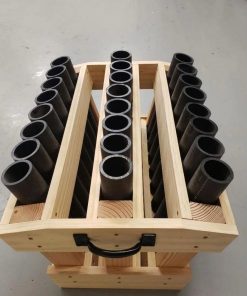
For layout, set tubes in a sturdy rack or bury them partway in soil with sandbags around them. Space tubes so one tipping over won’t knock others out of position. Angle racks slightly away from spectators, never toward them. Think about wind direction as well: debris and smoke should drift away from the crowd.
Safety Protocols and Equipment for Large-Scale Shells
Larger shells hit harder, and so do accidents involving them. The U.S. Consumer Product Safety Commission publishes yearly reports on fireworks injuries, and reloadable shells show up regularly in those reports. Most incidents involve mistakes that are easy to avoid.
Follow these rules every time:
- Never put any part of your body over a tube. Load from the side, and drop the shell in fuse-up.
- Use the correct shell for the tube. Never force an oversized shell into a smaller tube.
- Keep spectators back. At least 75 to 100 feet for consumer reloadables, and more if your local rules require it.
- Wear eye and ear protection plus long sleeves made of natural fibers like cotton.
- Use a long-reach lighter so you can light the fuse and step away quickly.
- Have water ready: a hose or several full buckets, plus a fire extinguisher.
- Handle duds carefully. Wait at least 20 minutes, then soak the shell in water. Never try to relight it.
- Store shells away from the firing area in a closed container so stray sparks can’t reach them.
Never drink while you’re firing, and assign one sober person to watch the crowd and the wind. If conditions change, stop the show. A shell you don’t fire this year will still work next season if it’s stored dry.
2 inch artillery shells box Bringing It All Together
The difference between a forgettable show and one people talk about for weeks usually comes down to picking quality shells and pacing them well. Look for consistent lift, round breaks, rich colors, and a mix of effects. Learn the difference between ball and canister shells, and match patterns like willows and dahlias to the mood you want at each moment.
Above all, respect what you’re handling. Know the legal limits in your area, check whether a product is consumer or display grade, and follow every safety step without shortcuts. Good 2 inch artillery shells reward careful planning with breaks that light up the whole sky.
Test a few shells from a new kit before the big night, take notes on what impresses you, and build your show around those winners. Your audience will notice the difference.
| SHELLS | 5 SHELLS, 10 SHELLS, 25 SHELLS, A BOX |
|---|
Be the first to review “2 inch artillery shells”
Related products
FIRECRACKER
FIREWORKS
FIREWORKS
FIRECRACKER
FIREWORKS
FIREWORKS
FIREWORKS
FIREWORKS
Reviews
There are no reviews yet.