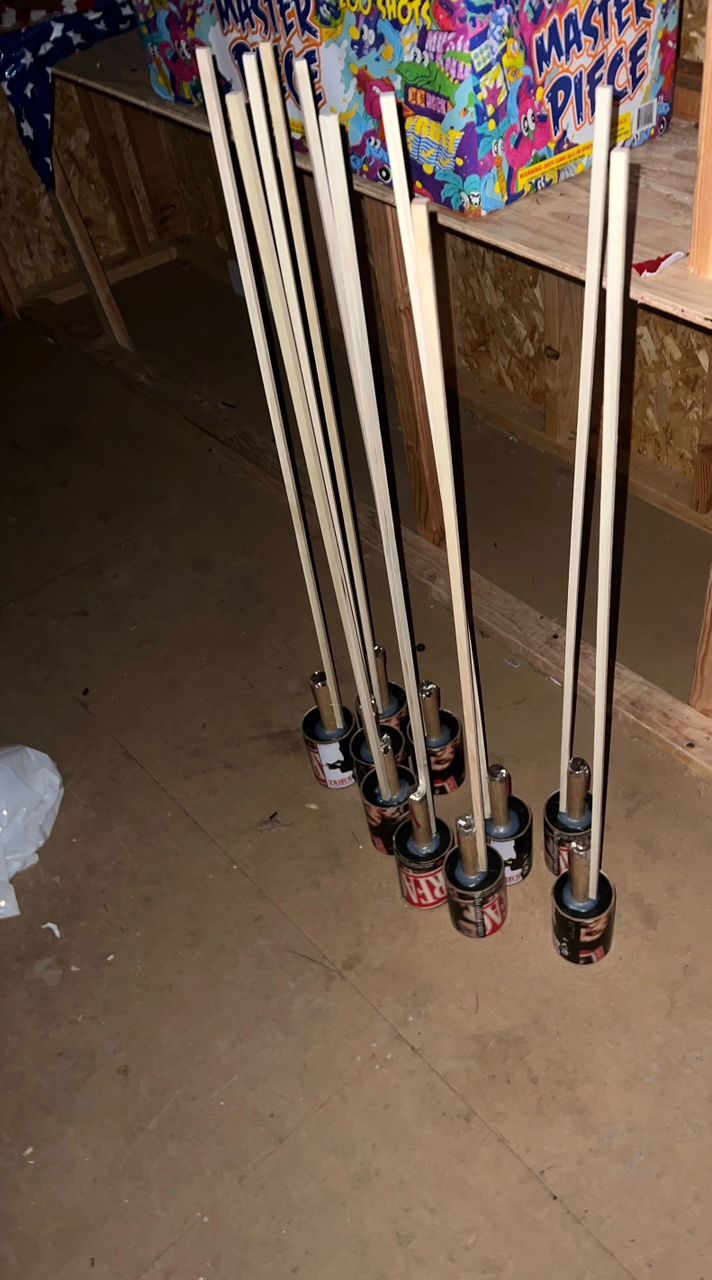
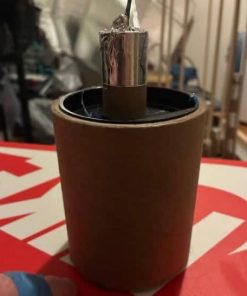
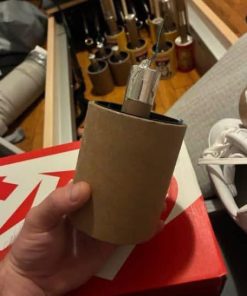
nuclear strobe rocket
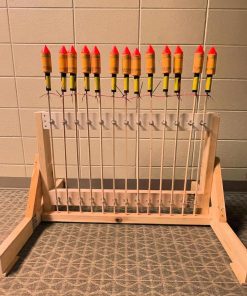
Most nuclear strobe rockets reach altitudes between 100 and 200 feet, depending on the manufacturer and stick length. The standard consumer version uses a stick roughly 24 to 36 inches long, which stabilizes the flight path and keeps the trajectory relatively vertical. Some premium versions from brands like World Class, Brothers Pyrotechnics, or Raccoon Fireworks push closer to the 200-foot mark.
nuclear strobe rocket

Nuclear Strobe Rocket capture an audience quite like a nuclear strobe rocket. The combination of a screaming ascent, a high-altitude burst, and that signature rapid-fire strobe flash makes it one of the most sought-after consumer pyrotechnics on the market.
But actually tracking one down can be surprisingly frustrating. Stock rotates fast, brand names shift from year to year, and not every retailer ships to every state.
If you’ve been searching for where to buy nuclear strobe rocket fireworks without landing on dead links or sketchy storefronts, you’re in the right place. This guide covers exactly what makes these rockets special, which retailers consistently carry them, how to find local sources, and what legal and safety factors you need to sort out before you light the fuse.
Whether you’re planning a Fourth of July backyard show or stocking up for New Year’s Eve 2026, the information here will save you time, money, and headaches.
Defining the Nuclear Strobe Rocket Experience
The term “nuclear strobe” gets thrown around loosely in the fireworks world, so it helps to pin down what you’re actually looking for. These rockets belong to the upper tier of consumer-grade pyrotechnics, typically classified under 1.4G (formerly Class C) by the Department of Transportation.
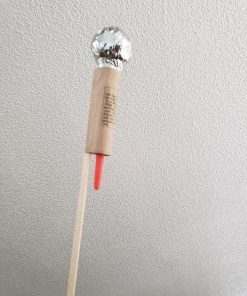
What separates them from a standard bottle rocket or even a mid-range missile is the effect payload at the top of the flight: a rapid series of blindingly bright white or silver flashes that pulse several times per second, creating the strobe effect that gives the product its name.
The “nuclear” descriptor usually refers to the intensity and spread of the burst. Expect a report (the loud bang) that’s noticeably louder than average rockets, paired with a wide break pattern that can illuminate a significant patch of sky. Some manufacturers add color elements like red or green stars mixed into the strobe sequence, but the classic version is a pure white flash barrage.
Key Features of the Nuclear Strobe Rocket Effect
What makes the strobe effect technically interesting is the composition of the star pellets inside the shell. Strobe stars use a specific chemical formulation, often based on magnalium (a magnesium-aluminum alloy), that burns in a pulsating rhythm rather than a steady glow. The result is a flickering, almost electric visual that looks nothing like a standard peony or chrysanthemum break.
A few features distinguish a quality nuclear strobe rocket from cheaper imitations:
- A visible tail or tracer during ascent, usually silver or gold, that builds anticipation
- A sharp, distinct report at apogee before the strobe sequence begins
- Strobe pulses that last 2 to 4 seconds rather than a single quick flash
- Consistent altitude across multiple units from the same pack, indicating reliable propellant charges
Cheap knockoffs tend to produce a weak, inconsistent flicker or burn out after a single pulse. If you’ve been disappointed by a “strobe” rocket before, odds are you got a lower-quality product.
Performance Specifications and Flight Height of nuclear strobe rocket
Most nuclear strobe rockets reach altitudes between 100 and 200 feet, depending on the manufacturer and stick length. The standard consumer version uses a stick roughly 24 to 36 inches long, which stabilizes the flight path and keeps the trajectory relatively vertical. Some premium versions from brands like World Class, Brothers Pyrotechnics, or Raccoon Fireworks push closer to the 200-foot mark.
The burst diameter at peak height is typically 15 to 30 feet across, which sounds modest on paper but reads much larger against a dark sky because of the strobe’s brightness. Wind conditions affect this significantly: a calm night produces a tight, punchy display, while even moderate wind can spread the effect out and reduce visual impact. For the best results, launch on evenings with wind speeds below 10 mph.
Top Online Retailers for High-End Rockets
Buying fireworks online has become the most reliable way to get specific products. Brick-and-mortar availability varies wildly by region and season, but a handful of online retailers maintain consistent inventory of nuclear strobe rockets and similar high-performance items throughout the year.
The trick is knowing which sites are legitimate wholesale or direct-to-consumer operations versus resellers marking up prices by 40% or more. Legitimate retailers typically show DOT-compliant shipping information, list their physical warehouse addresses, and carry recognizable brand names rather than generic “assorted rocket” bundles.
Wholesale Fireworks Distributors
If you want the best price per unit, wholesale distributors are the way to go. These companies sell by the case, which usually means 24 to 72 rockets per box depending on the product line. The per-rocket cost drops dramatically compared to buying individual packs at a roadside stand.
- Bottle Rocket Fireworks operates out of Montana and ships to most states where consumer fireworks are legal. They’ve carried nuclear strobe variants from multiple manufacturers and their site lets you filter by effect type.
- Fireworks Over America, based in Indiana, stocks a wide range of rockets including several strobe-specific SKUs. Their case pricing is competitive, and they offer mixed cases if you want variety.
- J’s Fireworks has both online ordering and physical locations across several states. Their wholesale program requires a minimum order, but the savings on rockets and other aerial items are substantial.
Expect to pay between $30 and $60 per case for standard nuclear strobe rockets at wholesale, with premium brands running higher. Shipping adds cost because of hazardous material surcharges, which we’ll cover later.
Specialty Pyrotechnic E-Commerce Sites
Beyond the big wholesalers, several specialty sites cater to enthusiasts who want specific effects and are willing to pay a bit more for curated selections.
Fireworks runs one of the largest consumer fireworks e-commerce operations in the country. Their online catalog is searchable by effect type, and they frequently stock nuclear strobe rockets from brands like World Class and Winda. You can order online for pickup at any of their retail locations, which sidesteps shipping restrictions entirely.
S.Fireworks, based in Florida, is another solid option. Their product descriptions are unusually detailed for the industry, often including video clips of each item being fired. This is genuinely helpful for strobe rockets because you can verify the effect quality before committing to a case.
Spirit of ’76 Fireworks caters to both consumers and professional display companies. Their rocket selection tends toward the higher end, and they occasionally carry limited-run strobe items that you won’t find elsewhere.
Finding Local Fireworks Stands and Warehouses
Online ordering works well for planned purchases, but sometimes you need rockets this weekend, not in 7 to 10 business days. Local sources fill that gap, though finding them requires a bit of legwork depending on where you live.
Locating Seasonal Pop-Up Tents
Those temporary fireworks tents that sprout up in parking lots and along highways before major holidays are the most visible local option. They typically operate from mid-June through July 5th and again in late December. The inventory at these tents varies enormously: some are stocked by major distributors and carry quality brands, while others sell mostly low-end assortments with thin margins.
To find nuclear strobe rockets at a pop-up tent, call ahead if possible. Many tent operators will tell you what brands they’re carrying that season. Look for tents affiliated with known chains like TNT Fireworks, Phantom, or Black Cat, as they tend to carry a broader selection of rockets and aerial items. Independent tents near state border crossings (think the Missouri-Kansas line or the Indiana-Illinois corridor) often stock the widest variety because they’re competing for cross-border shoppers.
One practical tip: visit early in the season. Strobe rockets and other specialty items sell out fast at local tents because inventory is limited. By July 3rd, you’re often left picking through whatever didn’t sell.
Year-Round Superstores by Region
Several states host permanent fireworks superstores that operate year-round and carry massive inventories. These are destination shopping experiences, and they’re your best bet for finding specific products like nuclear strobe rockets outside of holiday windows.
The South and Midwest dominate here. South Carolina’s stretch of Highway 17 near the North Carolina border is famous for its fireworks megastores. Shelton Fireworks, South of the Border’s shop, and several others carry extensive rocket selections. Missouri, which has some of the most permissive fireworks laws in the country, hosts large year-round stores along Interstate 44 and near the Lake of the Ozarks region.
Indiana and Pennsylvania also have major year-round retail operations, particularly near state borders. Krazy Kaplans in Pennsylvania and Shelton’s locations in Indiana both maintain deep inventories of rockets and aerials. If you’re within driving distance of any of these regions, a single trip can stock you up for the entire year.
Legal Considerations and Shipping Restrictions
Before you place any order or load up your truck at a superstore, you need to understand the legal framework. Fireworks laws in the United States are a patchwork of federal, state, and local regulations
State-by-State Fireworks Regulations
As of 2026, most states allow some form of consumer fireworks, but the specifics vary dramatically. States like Missouri, Texas, and Indiana permit virtually all 1.4G consumer fireworks including rockets. Others, like California, Massachusetts, and New Jersey,
A growing number of states fall somewhere in the middle. New York, for instance, legalized sparklers and ground-based items in 2015 but still prohibits aerial fireworks including rockets in most counties. Illinois allows consumer fireworks but restricts their use to specific date windows around holidays.
The critical detail for rocket buyers: even in states where consumer fireworks are broadly legal, some municipalities ban them within city limits. Check both your state law and your local city or county ordinances before purchasing. A quick call to your local fire marshal’s office will give you a definitive answer.
Hazardous Material Shipping Requirements
Fireworks are classified as hazardous materials (Class 1.4G explosives) by the DOT, which means they can’t ship via standard ground services like UPS or FedEx without specific licensing. Most consumer fireworks retailers that ship use specialized hazmat carriers, and this adds significant cost to your order.
Expect hazmat shipping surcharges of $30 to $75 per order, regardless of order size. This is why buying in bulk makes financial sense: that flat surcharge hurts a lot less when it’s spread across a $200 case order versus a single $15 pack. Some retailers offer free or reduced shipping on orders above a certain threshold, typically $300 to $500.
Certain states prohibit the shipment of fireworks to residential addresses entirely, even if the products themselves are legal to possess and use. In those cases, your best option is ordering for pickup at a retail location or warehouse near you.
Safety Protocols for Launching Large Rockets
Nuclear strobe rockets are not bottle rockets. They carry significantly more propellant and explosive payload, and they demand respect. A few non-negotiable safety practices will keep your show fun and injury-free.
Always use a proper launch tube or a stable bottle/pipe weighted with sand. The stick alone is not sufficient stabilization on uneven ground. Angle the launch tube very slightly away from spectators: never directly overhead.
Keep a minimum of 100 feet between the launch site and any audience, vehicles, or structures. Most manufacturers recommend 150 feet for rockets of this size.
Light the fuse and move away immediately. Never lean over a rocket to check a fuse that appears to have gone out. Wait at least 15 minutes before approaching a dud. Keep a bucket of water or a connected garden hose at the launch site, not just for emergencies but for soaking spent casings and sticks that land nearby.
If you’re launching multiple rockets in sequence, designate one person as the lighter and keep everyone else at a safe distance. Alcohol and fireworks don’t mix, full stop. The majority of consumer fireworks injuries each year involve impaired judgment, and a rocket with a 200-foot ceiling is not forgiving of mistakes.
Maximizing Value with Bulk Purchases and Deals Of Nuclear Strobe Rocket
The single best way to save money on nuclear strobe rockets is buying by the case. Individual packs at roadside tents typically run $8 to $15 for a pack of 4 to 6 rockets. A full case of 48 to 72 rockets from a wholesaler might cost $40 to $60, bringing your per-rocket price down to under a dollar in many cases.
Timing matters too. Prices peak in the two weeks before July 4th and again before New Year’s Eve. If you can plan ahead and order in April or May, many online retailers offer early-bird pricing or bundle deals that knock 15% to 25% off regular prices. Post-holiday clearance sales, particularly in the first week of July, can yield even steeper discounts on remaining stock, though selection is limited.
Splitting a bulk order with friends or neighbors is a practical strategy. A $400 order that qualifies for free hazmat shipping, divided among four households, gives everyone a solid fireworks stash at wholesale prices. Several online retailers even offer group buy programs designed for exactly this scenario.
Sign up for email lists from your preferred retailers. Companies like Red Apple, Phantom, and Superior Fireworks all run flash sales and loyalty programs that reward repeat buyers. A 10% coupon on a case order might only save you $5, but across a full holiday shopping cart it adds up quickly.
Finding nuclear strobe rockets takes a bit more effort than grabbing a random assortment pack off a shelf, but the payoff is worth it. These are the rockets that make people stop talking and look up.
Whether you order online from a trusted wholesaler, drive to a year-round superstore, or hit your local tent early in the season, knowing what you’re looking for and where to find it puts you ahead of most buyers. Check your local laws, budget for shipping if you’re ordering online, respect the safety basics, and you’ll have a show worth remembering.
Be the first to review “nuclear strobe rocket”
Related products
Uncategorized
Uncategorized
Uncategorized
Uncategorized
Uncategorized
Uncategorized
Uncategorized
Uncategorized
Reviews
There are no reviews yet.