
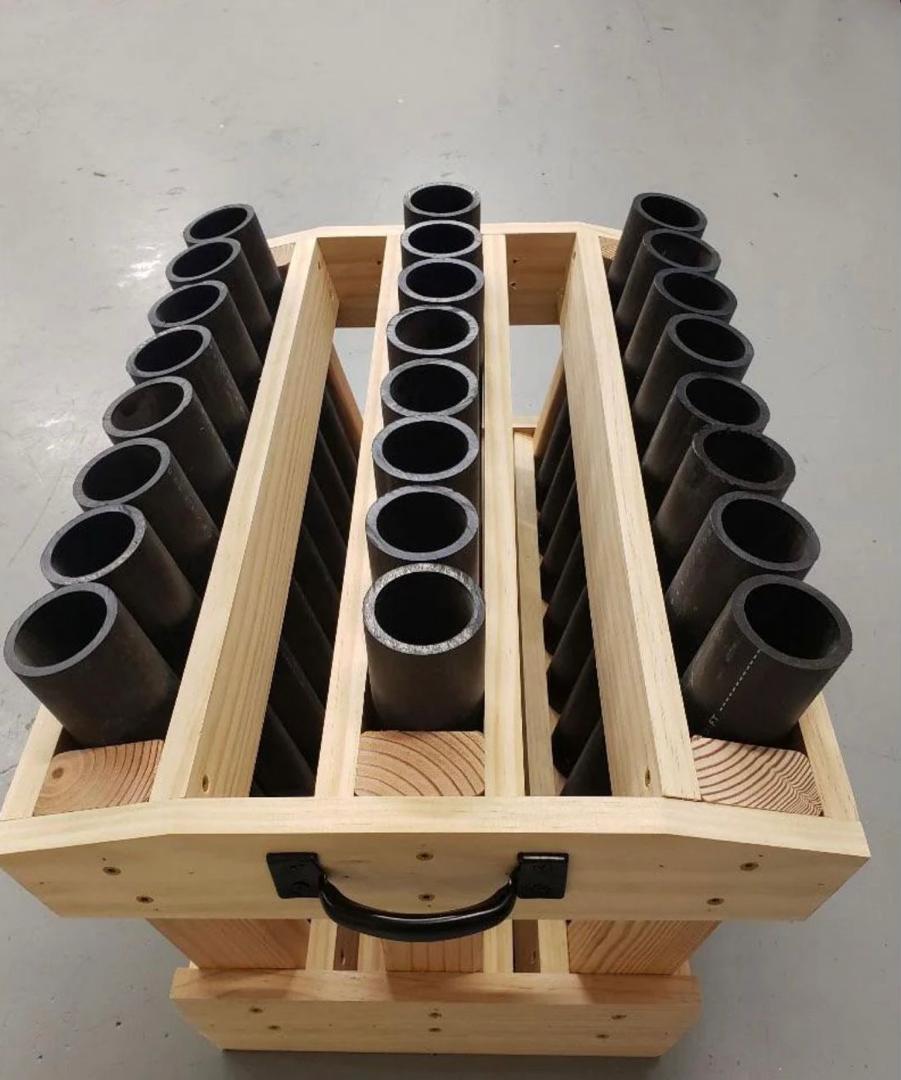
Mortar Racks

$150.00
If you’re hand-lighting, use a road flare or extended-reach lighter rather than a standard lighter or match. Keep your face and body to the side of the tube, never directly over it. For electrically fired shows, double-check all e-match connections before arming the firing system, and keep the system in safe mode until you’re ready to fire.

A single tipped mortar tube can turn a backyard celebration into a trip to the emergency room. That’s not fear-mongering: the Consumer Product Safety Commission consistently reports that mortar-style fireworks account for a significant share of serious fireworks injuries each year, and the majority of those incidents trace back to improper setup rather than defective products. Whether you’re a hobbyist planning a Fourth of July show or a semi-professional building a community display, the equipment holding your shells matters just as much as the shells themselves. Mortar racks are the backbone of any safe aerial fireworks display, and choosing the right ones, setting them up correctly, and maintaining them over time can mean the difference between a spectacular show and a dangerous disaster. This guide from bottlerocketfirework.com covers everything you need to know to make smart choices and stay safe, from material selection all the way through post-show storage. If you’ve been eyeing your first rack purchase or wondering whether your current setup needs an upgrade, you’re in the right place.
Understanding Mortar Rack Basics and Components
A mortar rack is, at its simplest, a structure that holds multiple mortar tubes upright (or at a specific angle) so that aerial shells can be loaded and fired safely. The rack keeps tubes stable during ignition, prevents them from shifting between shots, and provides a consistent launch angle for predictable shell trajectories. Most racks consist of two main elements: the tubes themselves and the frame that holds them together. The tube is where the shell sits before firing, and the frame provides structural rigidity and spacing between tubes. Understanding the materials used for each component is critical because they directly affect durability, weight, safety, and cost.
HDPE vs. Fiberglass Tubes
The two most common tube materials you’ll encounter are HDPE (high-density polyethylene) and fiberglass. HDPE tubes are the standard for consumer-grade setups. They’re lightweight, affordable, and if a shell malfunctions inside one, HDPE tends to split rather than shatter, which reduces the risk of dangerous shrapnel. The downside is that HDPE degrades faster with repeated use, and extreme heat from rapid successive firings can warp the tube walls over time.
Fiberglass tubes are the professional’s choice. They handle heat better, last significantly longer, and maintain their shape through hundreds of firings. However, a fiberglass tube that fails catastrophically can splinter into sharp fragments, which is why proper inspection between shows is non-negotiable. Fiberglass also costs roughly two to three times more than HDPE for comparable sizes.
Frame Construction Materials
Frames are typically built from wood, steel, or aluminum. Wooden frames are cheap and easy to build yourself, but they’re heavy and can catch fire if burning debris falls on them. Steel frames are extremely durable and fire-resistant, though they rust without proper coating and are a pain to transport. Aluminum frames hit a sweet spot for many users: they’re lighter than steel, resist corrosion, and hold up well over multiple seasons. For anyone doing more than one or two shows a year, aluminum is usually worth the investment.
Selecting the Right Rack for Your Display
Picking the right rack isn’t just about budget. It’s about matching your equipment to the type of show you’re running, the shells you’re firing, and the environment where you’re setting up. A rack that works perfectly for a flat-field professional display might be completely wrong for a backyard show on uneven ground.
Straight vs. Angled Fan Racks
Straight racks hold every tube at a vertical 90-degree angle. Shells fire straight up and break directly overhead. This is the simplest and safest configuration for small displays where spectators are relatively close (within minimum safe distances, of course). Fan racks, on the other hand, angle tubes outward from center in a V or spread pattern, sending shells across a wider area of sky. Fan racks create more visually dramatic effects, but they require significantly more open space because shells travel laterally before breaking.
If you’re shooting in a confined area or your fallout zone is limited, stick with straight racks. Fan configurations are better suited for large open fields where you have 300 feet or more of clearance in every direction. Some modular rack systems let you adjust tube angles, which gives you flexibility to run either configuration from the same hardware.
Matching Tube Diameter to Shell Size
This one seems obvious, but it’s where a surprising number of accidents originate. A shell should fit snugly into its tube with minimal gap. A 3-inch shell goes in a 3-inch tube, not a 4-inch tube. If the tube is too wide, the shell can tilt during launch and exit at an unpredictable angle. If the tube is too narrow, the shell can jam, creating dangerous pressure buildup. Always verify your shell sizes against your tube inner diameters before loading. When ordering from bottlerocketfirework.com, product listings specify compatible tube sizes for this exact reason.
Safe Setup and Positioning Procedures
Even the best mortar rack becomes dangerous if it’s set up carelessly. The setup phase is where you eliminate the majority of preventable risks, so treat it with the seriousness it deserves.
Securing Racks to Prevent Tip-Overs
A rack that tips during firing can redirect a live shell horizontally toward spectators, vehicles, or structures. Every rack needs to be anchored. On soft ground, drive stakes through the frame’s base holes and into the earth. On hard surfaces like concrete or asphalt, use sandbags on both sides of the rack base, or bolt the frame to a weighted platform. A good rule: your anchoring system should be able to resist at least 50 pounds of lateral force per tube in the rack.
Check stability after anchoring by pushing firmly against the top of the rack from multiple directions. If there’s any wobble, add more support before loading a single shell. Wind is another factor people underestimate. A steady 15 mph breeze puts real force on a tall rack, so add extra weight or stakes on windy days.
Establishing Safe Spectator Distances
The National Fire Protection Association (NFPA 1123) provides minimum spectator distances based on shell size. For consumer-grade shells (typically up to 3 inches), the minimum distance is 150 feet. For professional 4- to 6-inch shells, that jumps to 300 to 420 feet. These aren’t suggestions: they’re calculated based on the blast radius and fallout pattern of malfunctioning shells.
Mark your spectator boundary with visible barriers, tape, or cones before anyone arrives. Position your firing line so that the natural wind direction carries fallout away from the audience, not toward them. If wind shifts during the show, you need a plan to pause or adjust.
Best Practices for Loading and Firing
With your racks secured and distances set, loading and firing procedures are where your preparation meets execution. Rushing this stage is how experienced shooters still get hurt.
Proper Fuse Management and Timing Of Mortar Racks
Before loading any shell, inspect its fuse for damage, fraying, or moisture. A compromised fuse can cause a delayed ignition or a misfire, both of which create dangerous situations. When lowering a shell into the tube, let the fuse hang naturally over the tube’s lip. Never coil or stuff excess fuse into the tube, because this can alter burn time unpredictably.
If you’re hand-lighting, use a road flare or extended-reach lighter rather than a standard lighter or match. Keep your face and body to the side of the tube, never directly over it. For electrically fired shows, double-check all e-match connections before arming the firing system, and keep the system in safe mode until you’re ready to fire.
Handling Misfires and Hangfires Of Mortar Racks
A misfire means the fuse was lit but the shell didn’t launch. A hangfire means there’s a delayed ignition and the shell could still fire. Both situations require patience. Wait a minimum of 15 minutes before approaching a misfired tube. Do not look into the tube. Do not attempt to relight the fuse. After the waiting period, soak the tube and shell with water from a safe distance using a hose or bucket, then carefully remove the shell and place it in a water-filled container for disposal.
Hangfires are rarer but more dangerous because they give no warning. This is why you never return to the firing line prematurely, and why you always approach from the side rather than the front of the rack.
Maintenance and Long-Term Storage Of Mortar Racks
Your mortar rack setup is a multi-season investment if you treat it right. Neglecting maintenance between shows shortens equipment life and introduces hidden safety risks.
Cleaning Debris from Mortar Racks & Tubes
After every show, residue from lift charges and shell casings accumulates inside tubes. This buildup can restrict shell movement on the next use, change internal tube diameter slightly, and even ignite if a hot ember is still smoldering. Clean each tube with a stiff-bristled brush and warm soapy water within 48 hours of a show. For stubborn residue, a nylon bore brush designed for the tube diameter works well. Avoid metal brushes on HDPE tubes because they’ll score the interior walls.
Rinse thoroughly and let tubes dry completely before storing. Any trapped moisture can cause mold growth on HDPE or corrosion-related weakening in fiberglass over time.
Inspecting Mortar Racks for Structural Weakness
Before each show and after each cleaning, inspect every tube and frame component. Look for cracks, bulges, discoloration, or soft spots in tubes. For HDPE, squeeze the tube walls: they should feel firm and uniform. Any tube that shows deformation, even minor, should be replaced. For fiberglass, run a gloved hand along the interior to feel for delamination or splintering.
Check frame joints for looseness, corrosion, or bending. Tighten all hardware and replace any bolts that show signs of fatigue. A five-minute inspection takes far less time than dealing with a structural failure mid-show.
Getting Started with Mortar Racks Confidence
Choosing and using mortar racks safely comes down to three principles: buy quality materials matched to your display size, anchor and position everything with zero shortcuts, and maintain your equipment like your safety depends on it, because it does. The best rack in the world won’t protect you if it’s poorly secured or loaded with the wrong shell size.
If you’re ready to build or upgrade your setup, bottlerocketfirework.com carries a full range of rack systems, individual tubes, and accessories with detailed compatibility information for every product. Start with the right gear, follow the procedures outlined here, and you’ll be putting on shows you can be proud of for years to come. Take your time, respect the explosives you’re working with, and never skip the boring safety steps. They’re the reason the fun parts stay fun.
Be the first to review “Mortar Racks”
Related products
Uncategorized
Uncategorized
Uncategorized
Uncategorized
Uncategorized
Uncategorized

Uncategorized
Uncategorized
Reviews
There are no reviews yet.