
hurricane 50 shot firework price
The altitude won’t satisfy anyone chasing maximum height, and dedicated noise enthusiasts will want something with heavier reports. But for the vast majority of backyard shows, neighborhood displays, and small-event celebrations, the Hurricane hits the sweet spot between spectacle and affordability. If you’re building a show for 2026 and need a reliable mid-show highlight or a strong standalone piece, this one belongs on your shopping list. Buy two if your budget allows: fire them simultaneously from slightly offset positions, and you’ll create a wall of color that looks like it cost three times what you actually paid.
Hurricane 50 shot firework price
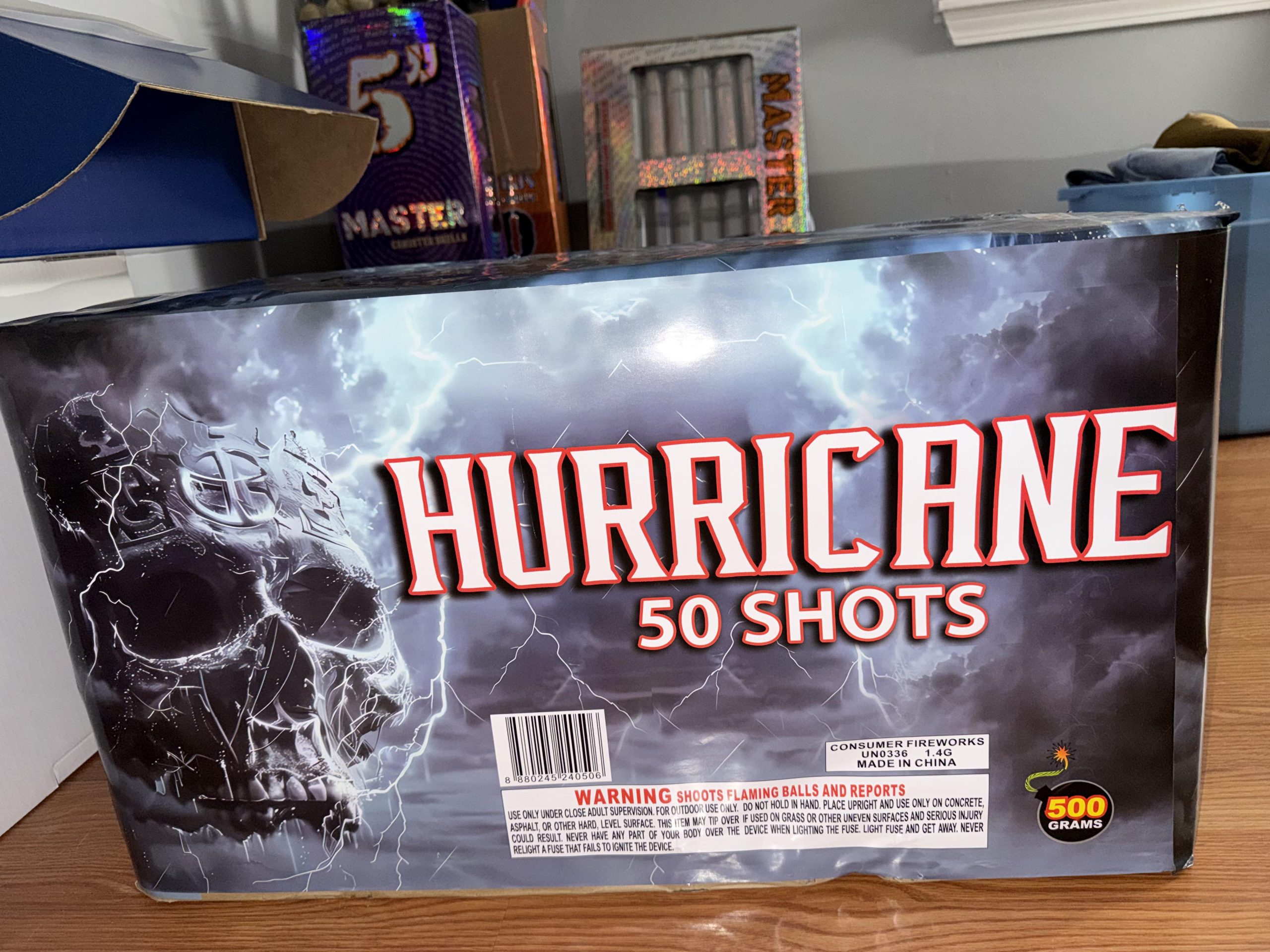
Hurricane 50 shot firework price, Few fireworks manage to earn a reputation by name alone, but the Hurricane 50-shot has become one of those products that backyard pyrotechnics enthusiasts actively seek out each season. Whether you spotted it on a shelf at your local fireworks tent or saw a clip of it lighting up someone’s Fourth of July show on social media, the hype around this cake is real. But does it actually deliver? I’ve fired this piece multiple times across different conditions, and I’ve watched more shaky phone videos of it than I care to admit.
This review breaks down the build quality, visual effects, sound profile, and overall value so you can decide if it deserves a spot in your 2026 lineup. The Hurricane is a 500-gram repeater, which places it in the largest consumer firework class available in most U.S. states. That matters because the 500-gram ceiling dictates how much pyrotechnic composition a manufacturer can pack into a single unit, and the Hurricane uses nearly every gram of that allowance. It’s not a novelty item or a warm-up piece: this is meant to be a centerpiece or a strong mid-show highlight. If you’ve been burned before by cakes that look impressive on the label but fizzle out after ten seconds, you’ll want the full breakdown before spending your money.
Hurricane 50-Shot Firework price, Specifications and Overview
The Hurricane is manufactured as a fan-shaped 50-shot cake, meaning the internal tubes are angled to spread effects across a wide swath of sky rather than firing everything straight up in a single column. This design choice is deliberate and significantly affects how the piece performs during a show. Fan cakes create a wall-of-fire visual that single-column cakes simply can’t replicate, and the Hurricane leans into this strength hard. The unit ships under the 500-gram maximum net explosive weight classification, which is the legal cap for consumer fireworks in the United States. Most retailers price it between $45 and $70 depending on your region, seasonal demand, and whether you’re buying during a pre-holiday sale or on July 3rd when everyone is scrambling.
Physical Build and Tube Diameter
The outer casing is a standard brown kraft paper wrap with a printed label, nothing fancy. What matters more is what’s underneath. The Hurricane uses tubes that measure roughly 0.75 inches (19mm) in internal diameter, which is a common size for 500-gram cakes in this shot count range. Fifty shots packed into a 500-gram allowance means each tube carries a moderate charge: not as hefty as a 16-shot or 25-shot cake where the pyrotechnic load is distributed among fewer tubes, but enough to produce visible effects at respectable altitudes.
The overall footprint is approximately 10 inches by 8 inches by 6 inches tall, though exact dimensions vary slightly by production batch. It’s a manageable size that fits easily on a flat firing surface. The base is reasonably sturdy, and the fuse is a standard green visco safety fuse with a burn time of roughly 5 to 7 seconds before the first shot ignites. One thing I appreciate is the fuse placement: it’s centered and accessible, not buried under a flap of paper that you need to dig out with a lighter in one hand and a prayer in the other.
Pyrotechnic Composition and Weight
The gross weight of the Hurricane typically falls around 5.5 to 6 pounds, with the net explosive weight sitting right at or just under the 500-gram legal limit. Each of the 50 tubes contains a lift charge (black powder) and an aerial shell or comet with its own burst charge and color-producing stars. The composition includes standard pyrotechnic compounds: strontium carbonate for reds, barium chlorate for greens, copper compounds for blues, and titanium or magnalium for silver and crackling effects.
What separates a decent 500-gram cake from a disappointing one often comes down to quality control in how these compositions are loaded. Inconsistent packing leads to tubes that underperform or, worse, don’t fire at all. Across the units I’ve used, the Hurricane has been consistent. Every tube has fired, and the effects have been uniform from shot to shot. That kind of reliability matters more than people realize until they’re standing in front of a crowd and three tubes in a row produce nothing but a sad puff of smoke.
Hurricane 50 shot firework Price, Visual Effects and Firing Sequence
This is where the Hurricane earns its name. The firing sequence is designed to build in intensity, starting with individual shots that establish the color palette before accelerating into rapid volleys that fill the sky. It’s not a one-note piece that dumps everything at once and leaves you staring at a smoky sky wondering if that was really it.
Hurricane 50 shot firework price, Color Palette and Burst Patterns of Hurricane 50 shot firework price
The Hurricane features a multi-color program that cycles through reds, greens, blues, golds, silvers, and purples. Each shot produces a peony-style burst: round, symmetrical, with stars that radiate outward from a central point. Some shots include crackling stars that add a secondary shimmer effect as the main burst fades. A handful of the later shots incorporate brocade tails on the way up, which creates a gold trailing effect from launch to burst altitude.
The color saturation is above average for this price range. Blues are notoriously difficult to produce in consumer fireworks because the copper compounds required are sensitive to temperature, and cheap cakes often produce blues that look more like pale white-blue smudges. The Hurricane’s blues are genuinely recognizable as blue, which tells you the manufacturer isn’t cutting corners on chemical composition. The reds and greens are vivid, and the gold brocade effects have a warm, rich tone rather than the washed-out yellow you sometimes see in budget cakes.
The fan spread means bursts appear across roughly a 60-degree arc, so you’re not watching a single point in the sky. This creates a much more immersive visual experience for spectators, especially if you position the cake so the fan spreads perpendicular to your audience’s line of sight.
Pacing and Duration Analysis
The total firing duration runs approximately 35 to 45 seconds, which is solid for a 50-shot cake. The pacing follows a three-act structure. The first 15 shots fire at a measured pace: roughly one shot every 1.5 seconds. This gives spectators time to appreciate individual bursts and establishes the color variety. The middle section picks up to about two shots per second, creating overlapping bursts that build energy. The finale dumps the remaining 10 to 12 shots in a rapid-fire volley over about 3 to 4 seconds.
This pacing is one of the Hurricane’s strongest features. Too many cakes in this category either fire everything at a monotonous steady rate or blow their entire load in 15 seconds with no build. The three-phase approach gives the piece a sense of narrative, which sounds pretentious when you’re talking about gunpowder in cardboard tubes, but it genuinely makes a difference in how impressive the display feels. Spectators respond to pacing instinctively: the acceleration creates anticipation, and the finale provides a satisfying payoff.
Performance and Audio Profile
Visual effects are only half the story with any firework. The sound profile and altitude performance determine whether a piece feels powerful or underwhelming, and this is an area where the Hurricane 50-shot firework holds its own against competitors that cost significantly more.
Lift Charge and Burst Volume
Each shot produces a distinct thump on launch followed by a sharp crack at burst altitude. The lift charges are consistent, meaning you don’t get the occasional dud that barely clears the tube. The burst reports are moderately loud: not concussion-level like some specialty salute cakes, but enough to produce a satisfying crack that you feel in your chest at 100 feet. The crackling star effects add a sustained sizzle that fills the gaps between shots during the slower opening sequence.
During the finale, the rapid overlapping reports create a rolling thunder effect that’s genuinely impressive for a consumer product. If you’re stacking multiple cakes in a show, the Hurricane’s audio presence is strong enough to serve as a mid-show peak without getting lost. It won’t compete with the loudest 500-gram cakes on the market (those tend to sacrifice visual effects for maximum noise), but the balance between visual beauty and audio punch is well-calibrated.
Sky Coverage and Altitude
Burst altitude averages around 80 to 120 feet, depending on wind conditions and the specific shot. The fan angle means some shots arc lower and wider while center-aimed tubes reach the highest points. This variation in altitude is actually a benefit: it creates depth in the display rather than a flat plane of bursts all detonating at the same height.
Sky coverage is where the fan design really pays off. A single Hurricane cake covers roughly the same visual area as two or three straight-shooting cakes fired simultaneously. If you’re working with a limited budget and want maximum visual impact per dollar, this kind of coverage is hard to beat. In a side-by-side comparison with similarly priced straight-column 500-gram cakes, the Hurricane consistently looks more impressive to casual spectators because it fills more of their field of vision. Experienced pyro enthusiasts might prefer the height of straight-shooting cakes, but for backyard shows where your audience is 150 to 200 feet away, the Hurricane’s spread is ideal.
Safety Guidelines and Setup Recommendations
No firework review is complete without addressing safety, and the Hurricane’s power level demands respect. This isn’t a sparkler or a fountain: it’s launching burning projectiles into the air at high velocity, and mistakes during setup or firing can cause serious injuries or property damage.
Minimum Spectator Distance
The National Fire Protection Association (NFPA) recommends a minimum spectator distance of 150 feet for 500-gram consumer cakes. I’d personally push that to 175 or 200 feet with the Hurricane because of its fan spread. The angled tubes send effects outward as well as upward, which means fallout debris can land in a wider radius than a straight-shooting cake. Keep spectators behind the firing line, never to the sides where the fan pattern directs effects.
Children should be kept well beyond the minimum distance, and a designated adult should manage the firing area. Have a charged garden hose or bucket of water within arm’s reach of the firing position. After the last shot fires, wait a full five minutes before approaching the spent cake. Tubes can retain heat and residual charge, and approaching too early is one of the most common causes of fireworks injuries.
Stabilization and Ground Surface
The Hurricane must be placed on a flat, stable, non-flammable surface. Concrete, packed dirt, or a sheet of plywood on grass all work. Never fire from a deck, and avoid gravel surfaces where the cake can shift during firing. The fan pattern means the cake experiences lateral forces as angled tubes fire, so it’s more prone to tipping than a straight-column cake.
Here’s how to stabilize it properly:
- Place the cake on your chosen surface and press down to confirm it sits flat without rocking
- Use two cinder blocks or bricks placed snugly against opposite sides of the cake
- If firing on grass, drive two wooden stakes into the ground on either side and wedge the cake between them
- Never tape or strap the top of the cake: you need the tube openings completely unobstructed
- Angle the cake so the fan spread directs effects away from spectators, structures, and dry vegetation
A tipped cake during firing is dangerous and can send effects horizontally into crowds or structures. The extra two minutes spent on proper stabilization is the most important prep work you’ll do all night.
Final Verdict For hurricane 50 shot firework price: Value for Money
The Hurricane 50-shot cake delivers a genuinely impressive combination of visual variety, smart pacing, and respectable audio punch at a price point that won’t wreck your fireworks budget. At $45 to $70, it competes favorably with other 500-gram fan cakes, and it outperforms most of them in color quality and firing sequence design. The consistent tube performance across multiple units I’ve tested gives me confidence recommending it without the usual caveats about quality lottery that plague some budget brands.
Is it perfect? No. The altitude won’t satisfy anyone chasing maximum height, and dedicated noise enthusiasts will want something with heavier reports. But for the vast majority of backyard shows, neighborhood displays, and small-event celebrations, the Hurricane hits the sweet spot between spectacle and affordability. If you’re building a show for 2026 and need a reliable mid-show highlight or a strong standalone piece, this one belongs on your shopping list. Buy two if your budget allows: fire them simultaneously from slightly offset positions, and you’ll create a wall of color that looks like it cost three times what you actually paid.
Be the first to review “hurricane 50 shot firework price”
Related products
Uncategorized
Uncategorized
Uncategorized
Uncategorized
Uncategorized
Uncategorized
Uncategorized
Uncategorized
Reviews
There are no reviews yet.