Gold top strobe rocket
Few fireworks capture attention quite like a gold top strobe rocket. There’s something about the combination of a screaming ascent, a burst of golden light, and that pulsing strobe effect that makes this particular rocket a crowd favorite at displays ranging from backyard celebrations to semi-professional shows. Whether you’ve fired off dozens of these or you’re considering your first purchase, the details matter: build quality, flight characteristics, safety considerations, and honest value assessment all play into whether this rocket deserves a spot in your next display. I’ve spent years watching, launching, and reviewing consumer fireworks, and strobe rockets with gold effects remain one of the most reliably impressive categories available to hobbyists. But not all of them perform equally. Some fizzle, some wobble off course, and a rare few deliver exactly what the packaging promises. This review breaks down the mechanics, performance data, safety essentials, and real-world user experience of the gold top strobe rocket so you can decide if it belongs in your lineup. Let’s get into specifics rather than hype.
The Mechanics of the Gold Top Strobe Rocket
Understanding what makes a strobe rocket tick helps explain why some perform brilliantly while others disappoint. The engineering behind these fireworks is more nuanced than most people assume.
Aerodynamics and Build Quality Of Gold top strobe rocket
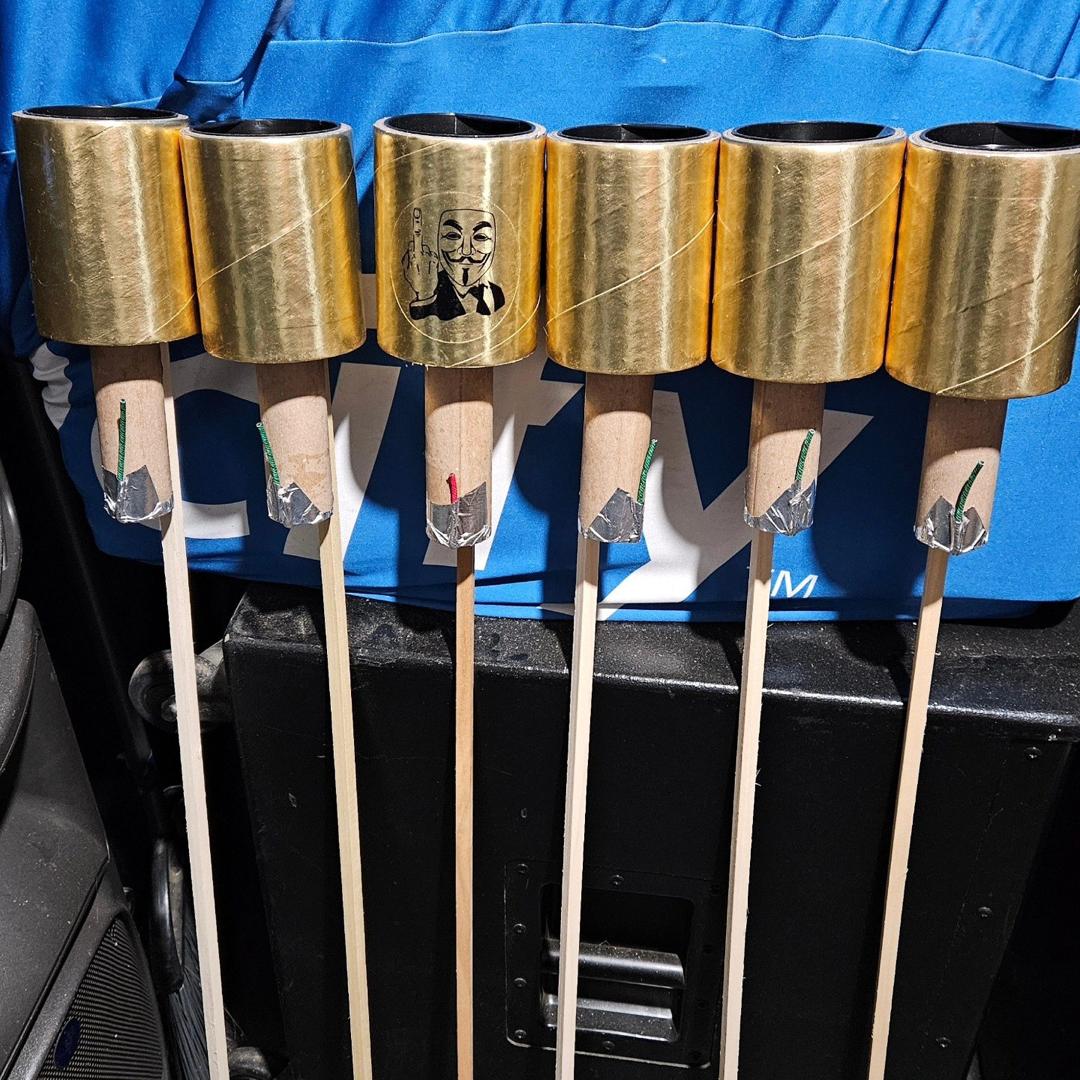
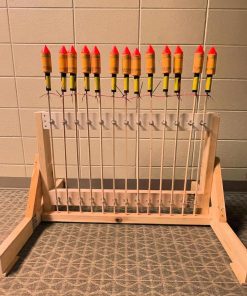
A well-constructed rocket starts with its stick and tube assembly. The guide stick, typically 3 to 4 feet long, acts as a stabilizer during flight, keeping the trajectory straight and preventing the kind of erratic spiraling that ruins a launch. Cheap rockets use flimsy sticks that bend or warp in humid storage conditions, which directly impacts flight accuracy.
The tube itself is usually rolled cardboard with a clay nozzle at the base. Higher-quality versions use denser cardboard and a more precisely formed nozzle, which creates a tighter seal and more efficient burn. The gold top designation refers to the payload section at the rocket’s apex, which contains the strobe composition and burst charge. On better models, this section is sealed with a sturdy cap that prevents moisture ingress, a common cause of failure in cheaper alternatives.
Weight distribution matters more than most buyers realize. A rocket that’s too heavy at the top will arc and dive prematurely. One that’s too bottom-heavy won’t reach optimal altitude before the payload ignites. The best examples balance the propellant mass against the payload weight within a tight tolerance.
The Science Behind the Gold top strobe rocket
The strobe effect isn’t just a gimmick: it’s a specific chemical reaction. Strobe compositions typically rely on a mixture of magnalium (a magnesium-aluminum alloy), an oxidizer like barium nitrate or potassium perchlorate, and a fuel that creates an oscillating burn pattern. The composition ignites, produces light, then partially extinguishes before reigniting, creating that distinctive flickering pulse.
Gold coloring comes from iron or charcoal-based additives mixed into the composition. The warm amber hue that distinguishes gold strobes from white or silver variants is a result of incandescent carbon particles and iron sparks burning at specific temperatures. Getting the color consistent across the entire strobe duration requires careful formulation, and this is where quality manufacturers separate themselves from budget producers. A poorly mixed composition will start gold and fade to white, or produce an uneven flicker rate that looks more like a malfunction than a deliberate effect.
Flight Performance and Visual Impact of Gold top strobe rocket
Performance is where theory meets reality. Numbers tell a clearer story than marketing copy.
Launch Velocity and Altitude Benchmarks Of Gold top strobe rocket
Most consumer-grade strobe rockets in this category reach altitudes between 150 and 250 feet, depending on the specific product and atmospheric conditions. Wind, humidity, and temperature all affect performance. A calm, dry evening in July will yield noticeably better results than a damp November launch.
Initial launch velocity typically sits around 60 to 80 feet per second, with the rocket accelerating as the propellant burns. The motor burn time ranges from 1.5 to 3 seconds on most models. Faster burn times generally mean higher altitude but a shorter visible ascent trail, while slower burns create a longer visual experience at the cost of peak height. The sweet spot for visual impact tends to be around 2 seconds of motor burn, which gives spectators enough time to track the rocket upward before the payload activates.
Duration and Intensity of the Gold Trails
Once the rocket reaches apogee and the strobe composition ignites, you’re looking at 2 to 4 seconds of visible strobe effect on a good unit. The best performers pulse 8 to 12 times during that window, each flash bright enough to cast visible shadows at close range.
The gold trail during ascent is a separate effect from the strobe payload. It’s produced by sparks ejected from the motor during the propellant burn phase. Charcoal-based propellants produce a rich golden tail, while compositions heavy in metal powders create brighter but shorter-lived sparks. The combination of a glittering gold ascent followed by a pulsing strobe burst at altitude is what makes this rocket type so visually distinctive. Side-by-side comparisons with standard report rockets or simple star-burst models show a clear difference in audience reaction: the strobe effect holds attention longer and generates more audible responses from spectators.
Essential Safety Protocols for High-Power Rockets
No firework review is complete without a serious discussion of safety. Rockets are among the highest-risk consumer fireworks because they travel unpredictably if something goes wrong.
Launch Site Requirements and Clearances
You need open space. Period. The National Fire Protection Association recommends a minimum spectator distance of 100 feet for consumer rockets, but experienced users often double that recommendation. Your launch site should be free of overhead obstructions like trees, power lines, and structures within a 50-foot radius of the launch point.
Key requirements for a safe launch site:
- Flat, non-flammable ground surface (gravel, dirt, or short green grass)
- No dry brush, leaves, or combustible debris within 30 feet
- Clear sightlines so you can track the rocket’s full trajectory
- A water source nearby: a garden hose or bucket of water at minimum
- Compliance with local ordinances, which vary significantly by municipality and state
Check your local fire department’s website or call their non-emergency line before any display. Regulations changed in several states during 2025, and some jurisdictions that previously allowed consumer rockets have added restrictions.
Safe Ignition and Handling Procedures
Never hold a rocket in your hand during ignition. This sounds obvious, but emergency room data consistently shows hand and face injuries from people who thought they could aim a rocket manually. Use a proper launch tube or a stable bottle-style launcher weighted with sand or gravel.
A reliable ignition sequence looks like this:
- Secure the rocket in the launch tube with the guide stick fully inserted
- Angle the tube 5 to 10 degrees away from spectators if wind is present
- Use an extended-reach lighter or electric ignition system
- Light the fuse and immediately retreat to at least 25 feet
- If the rocket fails to launch within 15 seconds, do not approach for a minimum of 5 minutes
- Soak any misfired rockets in water before disposal
Eye protection isn’t optional. A pair of safety glasses costs a few dollars and prevents the kind of injury that changes your life permanently.
Comprehensive Review: Pros, Cons, and User Experience
Here’s where honest assessment matters more than enthusiasm.
Reliability and Success Rate Analysis
Based on user reports across major fireworks forums and my own experience with multiple brands, the gold top strobe rocket category has a success rate of roughly 85 to 90 percent for reputable manufacturers. That means 1 in 10 to 1 in 7 units may underperform: weak launches, partial strobe ignition, or complete duds.
This isn’t unusual for consumer fireworks, but it’s worth factoring into your purchase quantity. If you want five successful launches, buy seven or eight units. The most common failure mode is a weak motor burn that results in a low-altitude detonation, which is both disappointing and potentially hazardous. Less common but more frustrating is a perfect launch with no strobe activation, leaving you with an expensive whistling stick.
Brand consistency matters enormously. Established manufacturers with quality control processes deliver noticeably better hit rates than no-name imports. Reading recent user reviews from 2025 and 2026 is the best way to gauge current production quality, since formulations and factory conditions change year to year.
Value for Money and Comparative Market Standing
Pricing for quality gold strobe rockets typically falls between $3 and $8 per unit in 2026, depending on size, brand, and retailer. Buying in packs of six or twelve usually drops the per-unit cost by 20 to 30 percent.
Compared to other rocket types at similar price points, the gold strobe variant offers a longer visual display per dollar spent. A standard report rocket gives you a launch trail and a single bang: maybe 3 seconds of total visual. A gold strobe rocket delivers 4 to 7 seconds of combined ascent trail and strobe effect. That’s roughly double the visual entertainment per unit.
The main drawback is noise, or rather the lack of it. Strobe effects are relatively quiet compared to report (explosion) rockets. If your audience expects loud bangs, mixing strobe rockets with report-style finales creates a better overall experience than relying on either type alone.
Final Verdict and Best Use Cases
The gold top strobe rocket earns its reputation as one of the most visually striking consumer fireworks available. It delivers a unique combination of golden ascent trails and pulsing aerial strobes that other rocket types simply can’t match. The 85 to 90 percent reliability rate is acceptable for the category, though buying extras is smart planning.
Best use cases include mid-show pacing elements between louder effects, synchronized multi-rocket launches where several strobes fire simultaneously for a cascading pulse effect, and smaller backyard displays where you want maximum visual impact without excessive noise that alienates neighbors. They’re less ideal as grand finale pieces unless combined with louder shells or cakes.
If you’re building a display for the Fourth of July or New Year’s Eve in 2026, stock six to ten of these alongside your other effects. Launch them in pairs or trios for the most dramatic result. Respect the safety protocols, buy from reputable dealers, and you’ll understand why this particular rocket remains a staple for fireworks enthusiasts who care about the visual craft as much as the spectacle.
| PIECES | 2PIECES, 4PIECES, 8PIECES, 15PIECES BOX |
|---|
Be the first to review “Gold top strobe rocket”
Related products
Uncategorized

Uncategorized
Uncategorized
Uncategorized
Uncategorized
Uncategorized
Uncategorized
Uncategorized
Reviews
There are no reviews yet.