
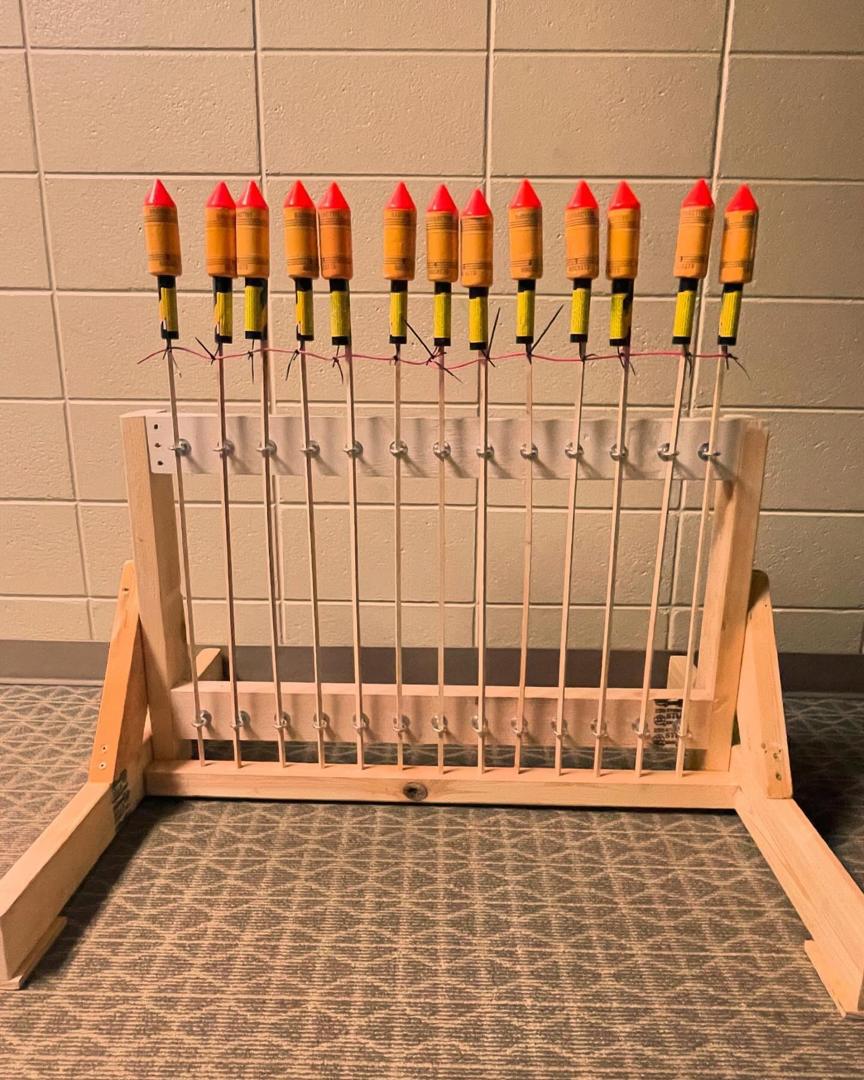
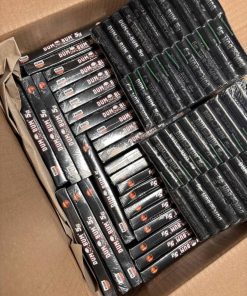
skull strobe rocket
A skull strobe rocket delivers one of the most visually striking effects available in consumer fireworks, but only if you handle every step with care. From inspecting the stick and choosing a proper launch tube to timing your sequences and cleaning up debris, each detail contributes to a safer, more impressive show.
skull strobe rocket

Few fireworks capture attention quite like a skull strobe rocket. The combination of a screaming ascent, a burst shaped like a grinning skull, and rapid strobe flashes that linger in the night sky makes this one of the most popular novelty rockets among consumer fireworks enthusiasts. But getting the most out of one requires more than just lighting a fuse and stepping back.
A bad launch angle, poor site selection, or careless fuse handling can turn a spectacular show into a safety incident or, at best, a disappointing fizzle. Whether you’re setting up a backyard display for a Halloween party or choreographing a sequence for a larger celebration, knowing how these rockets work from the inside out makes a real difference.
This guide covers the anatomy of the device, safety protocols you shouldn’t skip, step-by-step launch instructions, tips for maximizing the strobe effect, and what to do after everything goes dark. If you’ve ever wondered why your rockets veer sideways or why the strobe effect looked dim compared to the videos online, you’re about to find your answers.
Understanding Skull Strobe Rocket Anatomy and Effects
A skull strobe rocket is more than a cardboard tube with some powder inside. It’s a carefully engineered sequence of chemical reactions, each timed to fire in order. Understanding what’s inside helps you handle the device safely, troubleshoot problems, and appreciate why certain launch techniques produce better results than others.
Key Components of the skull strobe rocket Assembly
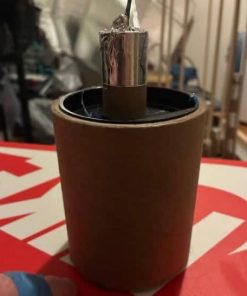
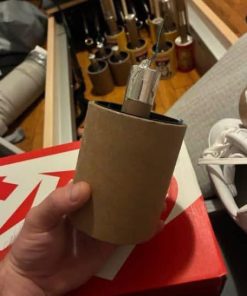
The typical rocket consists of four main sections stacked vertically inside a cylindrical casing. At the bottom sits the propellant grain, a compacted cylinder of black powder or a composite propellant that generates thrust. Directly above the propellant is a delay charge, a slower-burning composition that provides the timed pause between the end of thrust and the burst. The burst charge sits above that, and it’s responsible for breaking open the shell and igniting the effect elements. Finally, the effect payload at the top contains the skull-shaped shell and strobe stars.
The skull shape is achieved through a technique called pasting, where stars and burst charges are arranged inside a hemispherical shell form. When the burst charge fires, it pushes the stars outward in a pattern that, from the ground, reads as a skull face. The strobe stars themselves are small pellets of a strobe composition, typically based on magnalium (a magnesium-aluminum alloy) mixed with an oxidizer. These pellets flash on and off as they burn, creating that distinctive flickering effect.
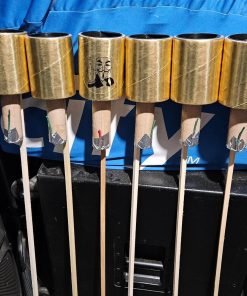
The stick attached to the bottom of the rocket isn’t decorative. It serves as a stabilizer, keeping the rocket pointed upward during flight. A bent or missing stick is one of the most common causes of erratic flight paths. Always inspect the stick before launch: it should be straight, firmly attached, and free of cracks.
Visual and Audio skull strobe rocket Characteristics
The strobe effect is what sets this type of rocket apart from standard burst rockets. Each strobe star alternates between burning and extinguishing multiple times per second, typically at a rate of 3 to 8 flashes per second depending on the chemical formulation. This creates a pulsing, almost electric appearance against the dark sky.
The skull pattern usually holds its recognizable shape for about one to two seconds before the stars drift apart. During that brief window, the strobe flashing adds an eerie, almost animated quality to the skull, which is why these rockets are so popular for Halloween and horror-themed events. The color of the strobe varies by manufacturer: white and silver are most common, but some brands produce green or red strobe effects.
On the audio side, expect a sharp whistle during ascent (some models include a whistle mix in the propellant section) followed by a solid crack when the burst charge fires. The strobe stars themselves are relatively quiet, producing only faint crackling as they flash. The overall sound profile is less aggressive than a report-heavy rocket, making skull strobe variants a decent choice for displays in areas where extreme noise might be a concern.
Essential Safety Protocols and Site Preparation
No firework is safe if handled carelessly, but rockets deserve extra respect because they’re propelled projectiles. A ground-based fountain stays put if something goes wrong. A rocket does not.
Choosing a Legal and Safe Launch Radius
Before you buy a single rocket, check your local and state regulations. Consumer firework laws vary wildly across the United States and differ even more internationally. Some states allow all consumer-class rockets, others ban anything that leaves the ground, and a few restrict fireworks entirely except for licensed displays. Your city or county may have additional restrictions, especially during drought conditions or fire bans. A quick call to your local fire marshal’s office can save you a fine or worse.
Once you’ve confirmed legality, pick your launch site. The National Fire Protection Association (NFPA 1123) recommends a minimum clear radius of 100 feet in all directions from the launch point for consumer rockets. That means 100 feet from spectators, buildings, vehicles, dry brush, overhead wires, and trees. If you’re working with larger rockets or planning multiple simultaneous launches, increase that buffer to 150 feet or more.
The ideal launch surface is flat, open, and non-flammable. A gravel lot, a dirt field, or a paved area works well. Avoid launching from dry grass, wooden decks, or anywhere near structures with wood or vinyl siding. Keep a charged garden hose or several buckets of water within arm’s reach of the launch point, plus a fire extinguisher rated for Class A fires.
Weather Considerations and Wind Safety
Wind is the single biggest variable that can ruin a rocket launch. Even moderate wind at 10 to 15 mph can push a rocket off its intended trajectory, sending it toward spectators or structures. Most experienced pyrotechnicians set a personal wind limit of 15 mph for consumer rockets and won’t fire above that threshold.
Check the forecast before your event, but also check conditions on-site. Wind at ground level can differ significantly from wind at 100 or 200 feet, where your rocket will be traveling. A simple trick: tie a lightweight ribbon to a pole at about 10 feet high. If the ribbon is flying nearly horizontal, conditions are too windy for rockets.
Rain and high humidity present different problems. Moisture can penetrate fuses and propellant through cracks in the casing, leading to misfires or hang-fires (delayed ignition). If there’s been recent rain, inspect each rocket for signs of water damage: soft spots in the casing, discolored fuse wrapping, or a musty smell. When in doubt, set it aside. A damp rocket is unpredictable, and unpredictable is the last thing you want from a device that flies.
Step-by-Step Guide to a Successful Launch
You’ve checked the laws, picked your site, and confirmed the weather cooperates. Here’s how to actually get a skull strobe rocket into the air safely and reliably.
Securing the Launch Tube or Stand
Never launch a rocket from a bottle. I know that’s the classic image, but bottles tip over, crack, and provide almost no stability. Use a proper launch tube or a purpose-built rocket stand. Many fireworks retailers sell metal or heavy-duty cardboard launch tubes designed to hold specific rocket diameters. The tube should be just wide enough for the rocket body to slide in freely while keeping the stick centered.
- Place the launch tube on flat, stable ground. If using a stand, stake it down or weigh the base with sandbags.
- Angle the tube vertically or with a very slight tilt (no more than 5 degrees) away from spectators if wind is pushing gently toward the audience.
- Insert the rocket stick-first into the tube. The body of the rocket should rest at or near the top of the tube, with the stick extending down inside for stability.
- Confirm the rocket slides freely and isn’t jammed. A stuck rocket can build pressure inside the tube and behave erratically.
- Double-check that the fuse is accessible and hanging free, not pinched or trapped under the rocket body.
If you’re setting up multiple tubes for a sequence, space them at least 3 feet apart. This prevents a misfire or premature burst in one tube from igniting adjacent rockets.
Ignition Techniques and Fuse Safety
The safest way to light a consumer rocket fuse is with an extended-reach lighter or a punk stick (a slow-burning wooden stick available at any fireworks retailer). Never use a standard pocket lighter: it puts your hand far too close to the fuse, and some fuses ignite faster than you expect.
Hold the flame to the very tip of the fuse until it catches. You’ll see a small spark or flame travel along the fuse. Once ignition is confirmed, walk briskly (don’t run, you’ll trip) to your safe observation distance, which should be at least 25 feet for the person lighting and 100 feet for spectators.
A few critical rules for fuse safety:
- Never re-light a fuse that has gone out. Wait at least 15 minutes, then treat it as a misfire (covered in the post-launch section below).
- Never lean over a rocket to check the fuse. Approach from the side.
- If using electric ignition systems for choreographed shows, test continuity on all igniters before inserting them into fuses.
- Keep all unused rockets stored at least 50 feet from the active launch area, preferably in a closed container.
Maximizing the Visual Impact of the Strobe Effect
Getting the rocket into the air is only half the equation. Where your audience stands and how you time your launches dramatically affects the visual experience.
Optimal Viewing Distances and Angles
Most consumer skull strobe rockets reach an altitude of 150 to 250 feet, depending on the size and propellant charge. The skull pattern is best viewed from directly below or at a slight angle, roughly 60 to 90 degrees of elevation from the viewer’s perspective. If spectators are too far away horizontally, the skull shape compresses and becomes harder to recognize.
The sweet spot for viewing distance is typically 150 to 300 feet from the launch point. Closer than 150 feet and you’re inside the recommended safety radius. Farther than 300 feet and the strobe effect starts to lose its punch, especially if there’s any ambient light pollution from street lamps or buildings.
For the best visual results, position spectators so they’re looking into a dark background, not toward city lights, lit buildings, or a bright moon. The strobe flashing is most dramatic against pure darkness. If you’re hosting a backyard show, turn off all exterior lights and ask neighbors if they’d mind dimming theirs for 15 minutes.
Timing Sequences for Multiple Rocket Displays
Firing a single skull strobe rocket is impressive. Firing a sequence of three or five with proper timing is unforgettable. The key is spacing your launches so each skull pattern is visible before the next one goes up.
A typical skull strobe effect lasts about 2 to 3 seconds from burst to burnout. Factor in about 3 seconds of ascent time. So from fuse ignition to effect completion, you’re looking at roughly 6 seconds per rocket. If you light the next rocket’s fuse right as the previous skull begins to fade, you create a continuous chain of strobing skulls.
For a more dramatic effect, try launching two rockets simultaneously from tubes angled 10 degrees apart. This creates twin skulls side by side. Three rockets angled in a fan pattern can produce a trio effect that fills a wide swath of sky. Just make sure your launch tubes are secured at consistent angles and that you have enough hands (or an electric firing system) to ignite them simultaneously.
Music synchronization is another level entirely, but even a simple approach works: pick a song with a strong beat, count the tempo, and time your launches to land on the downbeats. Even rough timing creates a sense of choreography that impresses audiences far more than random firing.
Post-Launch Cleanup and Misfire Management
The show is over, but your job isn’t. What happens in the 30 minutes after your last rocket fires matters for safety, legal compliance, and environmental responsibility.
How to Handle a Dud or Hang-Fire of skull strobe rocket
A dud is a rocket that never ignites. A hang-fire is more dangerous: the fuse appears to go out, but the device may still be smoldering internally and could fire at any moment. Treat both situations with the same protocol.
Wait a full 15 minutes before approaching any rocket that failed to launch. Do not touch, kick, or attempt to re-light it during this waiting period. After 15 minutes, approach from the side (never from directly above), carefully remove the rocket from the launch tube, and submerge it completely in a bucket of water. Leave it submerged for at least 30 minutes.
After soaking, the device is inert and can be disposed of in your regular trash, though some municipalities require fireworks waste to go to a designated disposal site. Never put a dud rocket in a fire pit, burn barrel, or any open flame. The propellant and burst charges can still ignite violently even after partial fuse failure.
If a rocket launches but fails to burst (a “blind” shell), it will fall back to earth intact. Mark the approximate landing area and retrieve the unexploded shell after a 15-minute wait. Soak it just as you would a ground-level dud.
Environmental Disposal and Debris Recovery
Every rocket launch leaves debris: spent casings, stick fragments, wadding, and sometimes small pieces of the shell. You’re responsible for cleaning all of it up, both ethically and often legally. Many municipalities include debris cleanup requirements in their fireworks permits.
Walk the entire launch zone and the downwind area with a flashlight. Collect all visible debris, including small cardboard fragments and plastic caps. Spent fireworks should be soaked in water before going into trash bags, even if they appear fully burned out. Hot embers can smolder inside cardboard casings for longer than you’d expect.
If you launched near a natural area, lake, or field, take extra care to recover all debris. Fireworks residue contains perchlorates and heavy metals that can contaminate soil and water. A thorough cleanup isn’t just about aesthetics: it’s about being a responsible pyrotechnics enthusiast who doesn’t give local authorities a reason to tighten fireworks restrictions for everyone.
Making Every Launch Count on skull strobe rocket
A skull strobe rocket delivers one of the most visually striking effects available in consumer fireworks, but only if you handle every step with care. From inspecting the stick and choosing a proper launch tube to timing your sequences and cleaning up debris, each detail contributes to a safer, more impressive show. The best displays aren’t the ones with the most rockets: they’re the ones where every single launch goes exactly as planned. Take the time to prepare your site, respect the safety distances, and treat misfires with patience. Your audience will remember the show, and you’ll have the peace of mind that comes from doing it right.
Be the first to review “skull strobe rocket”
Related products

Uncategorized

Uncategorized
Uncategorized
Uncategorized
Uncategorized
Uncategorized
Uncategorized
Uncategorized
Reviews
There are no reviews yet.